Patient Care
Dental Emergency in Dubai: What to Do and When to Get Urgent Care
A knocked-out tooth, severe toothache or facial swelling needs a quick decision. Learn what to do first in Dubai and when to go to hospital instead of a dentist.
- Published
- 5 November 2026
- Reading time
- 6 min
- Written by
 Dr. Abdelrahman Ezzat
- Reviewed by
- Dr. Abdelrahman Ezzat
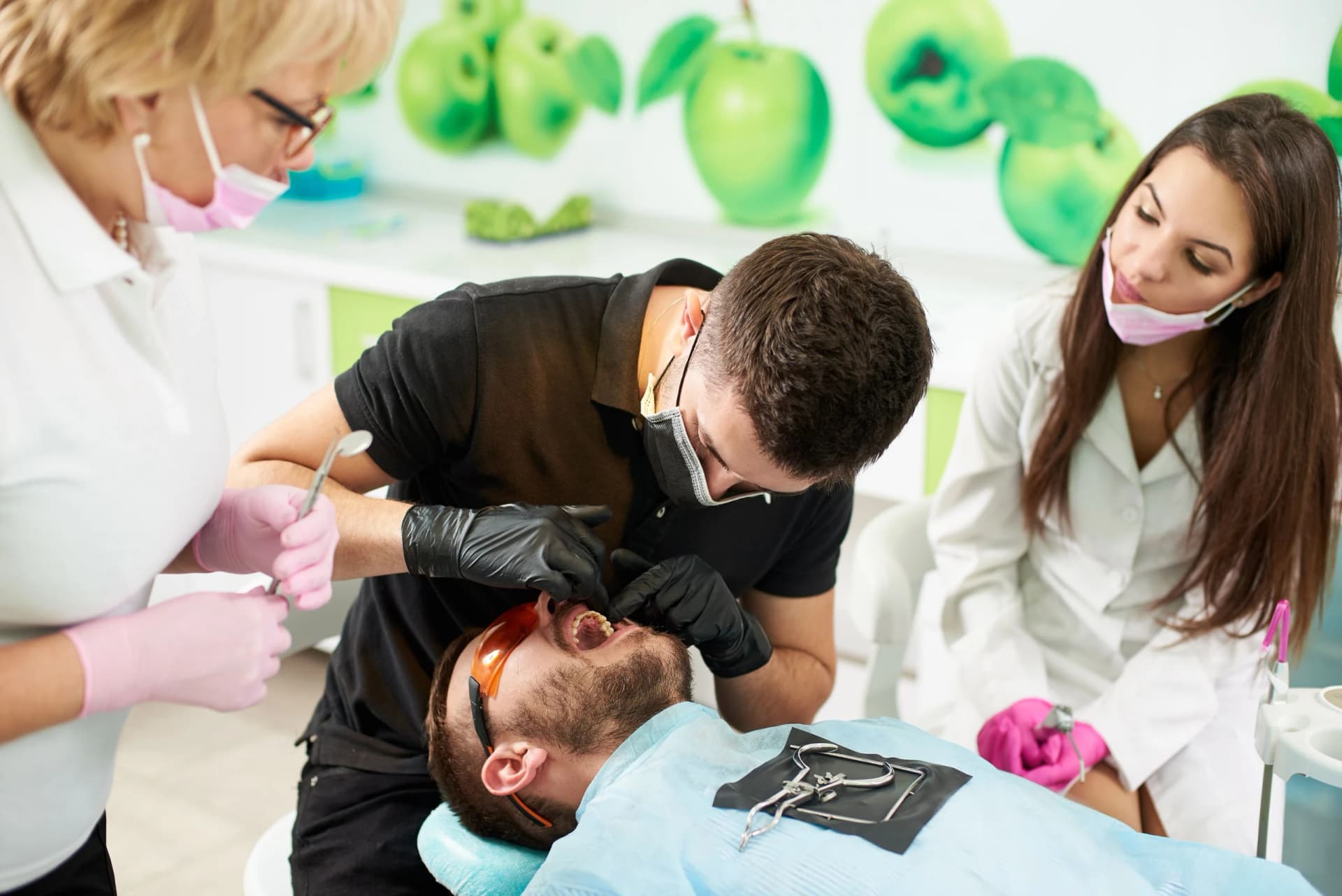
A dental emergency in Dubai rarely comes at a convenient moment, and the first few minutes can make a real difference. The most useful thing you can do is decide how urgent the problem is, then take the right first steps while you arrange care.
This guide sets out which symptoms need a hospital, which need the earliest available dentist, and what to do for the most common problems. It is general first-aid information and does not replace medical or dental advice for your situation. You can also read about emergency dental care at MID Dental Clinic in City Walk.
Quick answer: what should I do in a dental emergency?
Call 998 or go to a hospital emergency department if you have trouble breathing or swallowing, rapidly spreading swelling, heavy bleeding that will not stop, or a significant head or face injury. For severe toothache, a broken tooth or a knocked-out tooth, contact a dentist immediately.
When should you call 998 or go to hospital?
Some dental problems become medical emergencies. 998 is the ambulance number across the UAE. Do not wait for a dental appointment if you or someone with you has:
- difficulty breathing or swallowing;
- rapidly increasing swelling of the face or neck;
- swelling that closes or affects the eye;
- heavy bleeding that continues despite firm pressure;
- loss of consciousness, or a significant head or facial injury;
- a suspected broken jaw.
A hospital team can assess the airway and treat serious infection or injury first. Dental treatment can follow once you are safe.
Which problems need an urgent dentist?
These usually need the earliest appointment you can get, ideally the same day:
- severe or persistent toothache;
- swelling of the gum or jaw without the danger signs above;
- a knocked-out, displaced or fractured tooth;
- a broken filling, crown, bridge or veneer that is causing pain or injury;
- an unpleasant taste with swelling, which may suggest infection;
- difficulty opening your mouth or chewing.
MID Dental Clinic provides urgent dental assessments, subject to appointment availability. When you call, describe your symptoms clearly and say when they started. The treatment given depends on the diagnosis and may not all be completed at the first urgent visit.
What should you do with a knocked-out tooth?
A knocked-out adult tooth is one of the few dental problems where minutes really count. The International Association of Dental Traumatology says the best chance of saving the tooth is within the first 20 minutes. Follow these steps for a permanent tooth:
- Find the tooth and pick it up by the crown, the white part you normally see. Do not touch the root.
- If it is dirty, rinse it briefly without scrubbing. Do not let it dry out.
- Try to put it back in its socket straight away, if it goes in easily.
- Hold it in place by biting gently on a clean cloth or gauze.
- If it will not go back, keep it in milk or saliva. An adult can hold it inside the cheek if that is safe, but do not ask a young child to do this.
- See a dentist immediately, even if you could not find the tooth.
Never put a baby tooth back in, as this could damage the adult tooth growing underneath. Children’s injuries should still be examined, and dental trauma care for children explains what is involved. Our guide to your child’s first dental visit can also help you find a dental home before an accident happens.
What should you do for severe toothache?
The American Dental Association advises rinsing with warm water and gently flossing to remove any trapped food. Take suitable pain relief as directed, and use a cold compress on the outside of your face if there is swelling. Do not place aspirin or any other medication directly on the tooth or gum, because it can burn the tissue.
Severe toothache often means inflammation or infection inside the tooth. It can settle for a while without the cause having gone, so have it examined even if the pain eases. If the tooth needs treatment, our guide does a root canal hurt? explains what to expect, and emergency root canal care covers urgent cases.
What should you do for a broken or chipped tooth?
- Rinse your mouth gently with warm water.
- Keep any fragments, as they may be useful to the dentist.
- Use a cold compress on the outside of your face if there is swelling.
- Avoid chewing on that side.
- Arrange an assessment as soon as you can.
A small chip may only need smoothing or a simple repair. A deeper break can expose the inner tooth and may need more treatment. See broken tooth repair for the options. If a veneer is involved, keep the piece and read veneers vs crowns in Dubai to understand how the two restorations differ.
What if a crown, filling or veneer comes off?
Keep the restoration somewhere safe and bring it with you. Avoid chewing on that side, and do not use household glue to reattach it, since this can damage the tooth and make repair harder. A lost restoration can leave the tooth exposed, so arrange an assessment even if nothing hurts. Our guide to dental crown types and cost explains what happens if a replacement is needed. Implant patients should see implant crown and prosthesis repair.
What about swelling or a dental abscess?
Swelling with pain, a bad taste or fever may point to infection. Use the danger signs above to decide whether you need a hospital. If not, arrange an urgent dental assessment. Do not try to burst a swelling yourself, and do not place medication on the gum. Infection needs its source treated, so feeling better does not mean the problem has gone.
What about problems after treatment?
- Bleeding or worsening pain after an extraction: press firmly on the area with clean gauze and contact your dentist. Increasing pain a few days later may be dry socket. Our guide to wisdom tooth removal and recovery explains what is normal.
- A broken brace or wire: do not cut wires yourself. Orthodontic emergency care can help. If your treatment is being compared or planned, see how to choose an orthodontist in Dubai.
- A loose implant crown: stop chewing on it and arrange a review.
What happens at an emergency dental appointment?
- Your symptoms, injury and medical history are reviewed.
- The area is examined.
- X-rays are taken if clinically necessary.
- Immediate care focuses on controlling pain, managing infection risk or stabilising the tooth.
- The dentist explains the follow-up plan.
Bring a list of your medications and allergies, any tooth fragments or restorations, and your insurance details if you have them.
How can you reduce the risk of an emergency?
Many urgent visits start as small problems. Regular reviews help catch them early, and our guide to how often to have a dental check-up explains how intervals are decided. Wear a custom mouthguard for contact sports, and avoid using your teeth to open packaging.
Get urgent dental help in City Walk, Dubai
MID Dental Clinic is located at G08, Building 14, City Walk Residential, Al Wasl, Dubai, UAE. Call +971 54 211 9996 and ask for the earliest available assessment, or use the appointment page if your problem is less urgent. The clinic is open Tuesday to Sunday, 12:00 PM to 8:00 PM, and closed on Mondays. Outside these hours, seek care from an available emergency provider. Explore General and Preventive Dentistry or meet Dr. Abdelrahman Ezzat, the clinic’s Medical Director.
- dental emergency Dubai
- emergency dentist Dubai
- knocked-out tooth
- severe toothache
- طوارئ الأسنان في دبي
- طبيب أسنان طوارئ دبي
Next step
Does this apply to you?
Book a consultation and we will look at your case specifically, rather than in general.
Request an appointment
Common questions
Related questions.
City Walk, Dubai
Does this apply to you?
Book a consultation and we will look at your case specifically, rather than in general.