Restorative Dentistry
Dental Crown Cost in Dubai: Types, Materials and What Affects the Price
Wondering what a dental crown costs in Dubai? Learn what affects the price, how zirconia, ceramic and metal crowns compare, how long crowns last and what to ask.
- Published
- 5 November 2026
- Reading time
- 6 min
- Written by
 Dr. Abdelrahman Ezzat
- Reviewed by
- Dr. Abdelrahman Ezzat
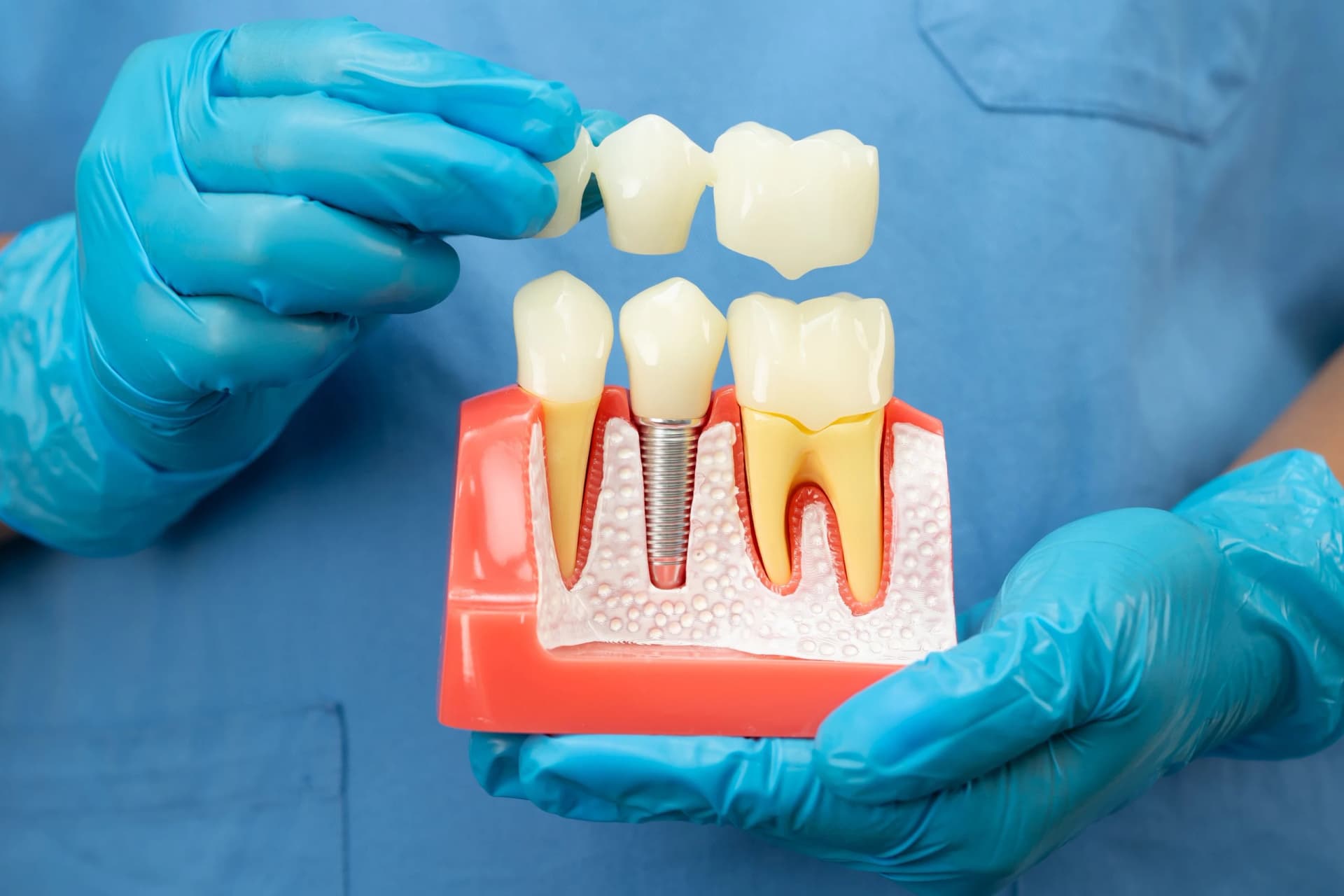
Dental crown cost in Dubai varies more than many patients expect, and the headline price rarely tells you the whole story. Two crowns can look identical in the mouth yet involve different materials, different preparation and very different treatment beforehand.
This guide explains what affects the price, how the main materials compare, how long crowns last and what a good quote should include. It is general information, and only an examination can confirm what your tooth needs. You can also read about metal-free dental crowns at MID Dental Clinic in City Walk.
Quick answer: how much does a dental crown cost?
The cost of a dental crown depends on the material, the tooth involved, any treatment needed first, the laboratory work and the planning required. There is no reliable single price, so ask for a written quotation after an examination. It should show what is included, from preparation to the final fitting.
What is a dental crown?
Cleveland Clinic describes a crown as a tooth-shaped cap that restores a decayed, broken, weak or worn-down tooth. It covers the visible part of the tooth, rebuilding its shape and protecting what remains. A crown is a custom-made restoration, so it is fabricated to fit that specific tooth and your bite.
When might you need a crown?
A crown may be considered for:
- a tooth weakened by a large filling;
- a cracked, fractured or extensively worn tooth;
- a tooth with significant structural damage;
- protecting selected teeth after root canal treatment;
- replacing an old or damaged crown;
- improving the shape or colour of a heavily restored tooth;
- restoring a dental implant when clinically appropriate.
A crown is not always the answer. It involves shaping the tooth, and that cannot be reversed, so the most conservative predictable option should be chosen. If you have recently had a tooth treated, our guide to root canal treatment explains how the final restoration is decided.
What affects the cost of a dental crown in Dubai?
- The material: metal, porcelain-fused-to-metal, ceramic and zirconia involve different materials and laboratory processes.
- The tooth involved: front teeth have higher aesthetic demands, while back teeth have to handle heavier bite forces.
- Treatment beforehand: root canal treatment, a core build-up or gum treatment may be needed first.
- Removing an old restoration: replacing a failed crown can add work.
- Diagnostic records: examinations, X-rays and digital scans or impressions.
- Temporary crown: whether one is needed and whether it is included.
- Laboratory work: the complexity of the shade and shape required.
- Number of teeth: particularly if several crowns have to match.
MID Dental Clinic accepts insurance, but cover for crowns varies between policies, so check your benefits before treatment.
What are the main types of dental crown?
Cleveland Clinic lists several crown materials, each with its own strengths and limits.
All-ceramic and zirconia crowns
These look the most like natural enamel and suit people who want to avoid metal. Zirconia is very durable, and it is considered gentler on the opposing teeth. These are the materials behind metal-free crowns, which are the focus of the crown service at MID Dental Clinic.
Pressed ceramic crowns
These have a ceramic core with porcelain layers, giving a translucent appearance. The layers can chip over time.
Porcelain-fused-to-metal crowns
These combine a metal structure with a tooth-coloured outer layer. The porcelain can be shade-matched, but it may chip and expose the metal, and it can wear the opposing teeth.
Metal crowns
These are very durable and rarely chip, but their colour limits them mainly to back teeth.
Resin crowns
These are the least expensive but are fragile and more prone to breaking. They are often used as temporary crowns.
Your dentist will recommend a material according to tooth position, bite forces, available space, colour requirements and the condition of the supporting tooth.
What happens during crown treatment?
- Assessment. The tooth, gums and bite are examined, and X-rays may be recommended.
- Tooth preparation. Damaged or weakened areas are managed, and the tooth is shaped to create space for the crown.
- Impression or scan. Accurate records are taken to fabricate the restoration.
- Temporary crown. A temporary restoration may protect the tooth while the final crown is being made.
- Fitting. The dentist checks the fit, contacts, colour and bite.
- Cementation. The crown is secured once its fit and function are satisfactory.
Crown placement usually takes two appointments. Cleveland Clinic notes that a laboratory can take two to three weeks or longer. Same-day crowns exist at clinics that use in-office milling, but not everyone is a candidate, so ask how your crown will be made.
How long do dental crowns last?
Cleveland Clinic gives an average of five to 15 years with proper care, while a Leeds Teaching Hospitals patient guide suggests around eight to ten years. Crowns are long-term restorations, but they are not guaranteed for life. A crown may eventually chip, loosen, wear or need replacing, and the tooth beneath it can still develop decay or gum problems if plaque builds up around the margin.
To help a crown last, brush twice daily with fluoride toothpaste, clean carefully around and between crowned teeth, attend regular check-ups and cleanings, avoid biting hard objects and wear a night guard if one is recommended for grinding. If a crown comes loose, keep it and see our guide to dental emergencies in Dubai.
Crown, veneer, onlay or implant: which do you need?
- Crown: covers most or all of the visible tooth and is generally used when greater structural protection is needed.
- Veneer: mainly covers the front surface for selected cosmetic concerns. See veneers vs crowns in Dubai.
- Inlay or onlay: restores part of a tooth, and may suit damage too large for a filling but not requiring a full crown. See inlays and onlays.
- Composite bonding: adds resin directly to suitable areas and generally needs less preparation.
- Bridge or implant: these replace a missing tooth. Compare the options in dental implant vs dental bridge, and read about single-tooth implant cost.
If you want to change the colour of your other teeth, do this first. Whitening does not change crowns, as our teeth whitening guide explains, so the crown should be matched afterwards. If a tooth has only chipped, broken tooth repair may be simpler.
What are the risks of a dental crown?
Crown preparation is irreversible because part of the tooth must be shaped. Temporary sensitivity, gum irritation, bite discomfort, ceramic chipping, loosening or decay around the crown margin may occur. Your dentist should explain the proposed material, expected result, alternatives and maintenance needs before treatment.
Questions to ask before comparing quotes
- Does this tooth need a crown, or is a smaller restoration possible?
- Which material do you recommend, and why?
- Is treatment needed before the crown?
- Are the temporary crown, records and review visits included?
- How will the crown be made?
- What happens if it chips or comes loose?
Book a dental crown assessment in City Walk, Dubai
MID Dental Clinic is located at G08, Building 14, City Walk Residential, Al Wasl, Dubai, UAE. Call +971 54 211 9996 or request an appointment. The clinic is open Tuesday to Sunday, 12:00 PM to 8:00 PM, and closed on Mondays. Explore the Restorative Dentistry department or meet Dr. Abdelrahman Ezzat, the clinic’s Medical Director.
- dental crown cost Dubai
- zirconia crown Dubai
- metal-free crowns Dubai
- types of dental crowns
- تكلفة تلبيسة الأسنان في دبي
- تلبيسة زركونيا دبي
Next step
Does this apply to you?
Book a consultation and we will look at your case specifically, rather than in general.
Request an appointment
Common questions
Related questions.
City Walk, Dubai
Does this apply to you?
Book a consultation and we will look at your case specifically, rather than in general.