Pediatric Dentistry
Your Child’s First Dental Visit in Dubai: When to Go and What Happens
When should your child first see a dentist? Learn the recommended age, what happens at the appointment, how to prepare and how to protect baby teeth in Dubai.
- Published
- 5 November 2026
- Reading time
- 6 min
- Written by
 Dr. Abdelrahman Ezzat
- Reviewed by
- Dr. Abdelrahman Ezzat
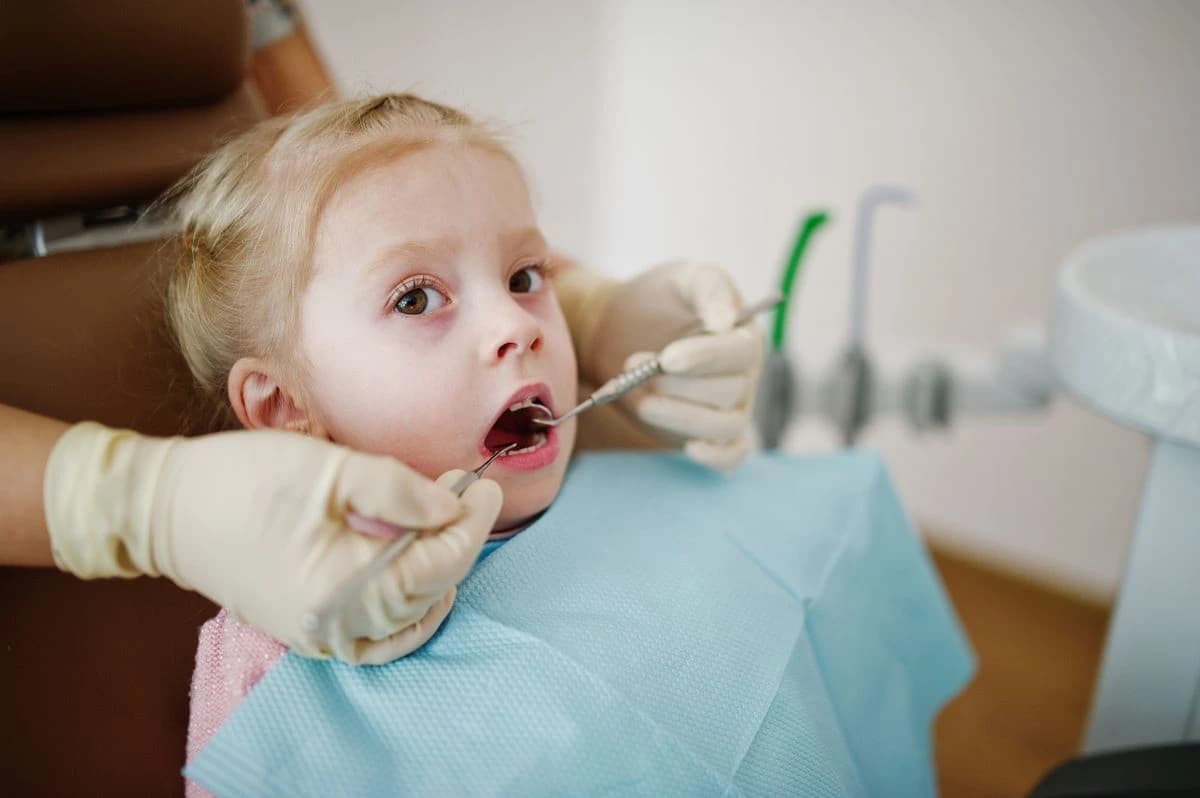
Your child’s first dental visit in Dubai should happen earlier than many parents expect, usually before they can even hold a toothbrush. It is rarely about treatment. It is about checking that everything is developing well, giving you practical advice and helping your child get used to the dentist while there is nothing to worry about.
This guide explains when to go, what happens, how to prepare and how to protect baby teeth at home. It is general information, and your dentist will tailor advice to your child. You can also read about the first dental visit for babies and toddlers at MID Dental Clinic in City Walk.
Quick answer: when should my child first see a dentist?
Your child should first see a dentist when the first tooth appears, and no later than their first birthday, as recommended by the American Academy of Pediatric Dentistry. The visit is usually short and gentle, focusing on development, cavity risk and home care. If you have missed that window, book now.
Why does the first visit happen so early?
It can seem strange to take a one-year-old to the dentist, but there are good reasons for it.
- Decay can start early. Decay can affect teeth soon after they appear, often the upper front teeth.
- Prevention works best early. Good habits around feeding and brushing are easier to start than to change.
- Baby teeth matter. They help with chewing and speech, and they hold space for the adult teeth.
- A calm start helps. A first visit with nothing wrong is a much better introduction than a first visit with toothache.
What happens at a child’s first dental appointment?
When no urgent problem exists, the first appointment is usually short and educational. A typical visit includes:
- A chat with you. The dentist asks about your child’s health, feeding, habits and any concerns.
- A gentle examination. The teeth, gums, bite and oral tissues are checked. Very young children are often examined while sitting with a parent.
- A cavity risk review. The dentist looks at the factors that may affect your child’s risk of decay.
- Practical advice. This may cover brushing, fluoride toothpaste, feeding habits, teething and pacifier use.
- A plan. You receive a personalised review schedule, based on your child’s development and risk.
Dental X-rays are not routinely required for every first visit. They are considered only when your child’s history, symptoms or examination show a diagnostic need.
How can you prepare your child for the dentist?
- Choose a good time. Book a time when your child is usually rested and fed.
- Talk about it simply. Say the dentist will count their teeth and see how they are growing.
- Keep your language positive. Avoid words like “hurt”, “pain” or “needle”, and avoid sharing your own bad dental experiences.
- Practise at home. Take turns counting teeth, or read a picture book about the dentist.
- Bring a comfort item. A favourite toy or blanket can help.
- Bring information. Include details of medical conditions, medicines and allergies.
If your child is nervous, tell the team when you book. Age-appropriate language and gradual familiarisation help introduce a child to the dental environment without unnecessary pressure.
How do you care for baby teeth at home?
The American Dental Association gives clear guidance by age:
- From the first tooth to age three: brush twice a day using no more than a smear of fluoride toothpaste, or an amount the size of a grain of rice.
- Ages three to six: use a pea-sized amount, supervise brushing and remind your child not to swallow the toothpaste.
Most young children need an adult’s help with brushing. It is also wise to limit sugary drinks and snacks, avoid putting your child to bed with a bottle of milk or juice, and never dip a pacifier in sugar, honey, juice or sweetened drinks. The ADA warns that this can lead to tooth decay.
When do baby teeth come through?
First teeth usually start to appear at around six months, although timing varies and some children get theirs earlier or later. Most children have a full set of 20 baby teeth by about age three, and these begin to fall out from around age six as the adult teeth come through. A child whose teeth are arriving a little later than their friends’ is usually nothing to worry about, but it is worth mentioning at a visit.
How can you help with teething?
Teething can make babies sore, irritable and keen to chew. Gently rubbing the gums with a clean finger or offering a clean, cool teething ring may help. Teething should not cause a high fever or make a child seriously unwell, so contact your doctor if you are worried. Your dentist can also advise at the first visit.
What are the signs a young child needs to see a dentist sooner?
Do not wait for a routine appointment if you notice:
- white or brown spots on the teeth;
- a tooth that looks discoloured or chipped;
- swollen, bleeding or sore gums;
- complaints of pain, or refusing food;
- an injury to the mouth or teeth.
Early decay can often be managed more simply when it is caught quickly. See early childhood caries treatment for what is involved. After a fall or knock, see dental trauma care for children. Our guide to what to do in a dental emergency also explains why a knocked-out baby tooth should never be put back in.
What preventive care might your child have later?
As your child grows, the dentist may recommend:
- fluoride treatment to help strengthen the enamel;
- dental sealants to protect the grooves of the back teeth;
- routine examinations based on cavity risk;
- a space maintainer if a baby tooth is lost too early;
- a custom mouthguard for contact sports.
Our guide to how often to have a dental check-up explains why reviews are set individually. Whitening is a different matter, and our teeth whitening guide explains why it is not offered to children and younger teenagers in NHS guidance.
When should a child have an orthodontic check?
Your dentist will keep an eye on how your child’s teeth and jaws are developing. If you notice crowding, a bite that looks off, or habits such as prolonged thumb sucking, mention it at a visit. Some children benefit from early orthodontic treatment, though many do not need it. For older children and teenagers, how to choose an orthodontist in Dubai and our braces cost guide explain the options.
Questions to ask at your child’s first visit
- Are my child’s teeth developing as expected?
- What is my child’s risk of cavities?
- How much toothpaste should we use, and how should we brush?
- Is there anything about feeding or snacks we should change?
- How should we handle a pacifier or thumb-sucking habit?
- When should we come back?
Book your child’s first dental visit in City Walk, Dubai
MID Dental Clinic is located at G08, Building 14, City Walk Residential, Al Wasl, Dubai, UAE. Call +971 54 211 9996 or request an appointment. The clinic is open Tuesday to Sunday, 12:00 PM to 8:00 PM, and closed on Mondays. Explore the Pediatric Dentistry department or meet Dr. Abdelrahman Ezzat, the clinic’s Medical Director.
- child first dental visit Dubai
- pediatric dentist Dubai
- kids dentist Dubai
- baby teeth care
- طبيب أسنان أطفال في دبي
- زيارة الطفل الأولى لطبيب الأسنان
Next step
Does this apply to you?
Book a consultation and we will look at your case specifically, rather than in general.
Request an appointment
Common questions
Related questions.
City Walk, Dubai
Does this apply to you?
Book a consultation and we will look at your case specifically, rather than in general.