Oral Health
Wisdom Tooth Removal in Dubai: Cost Factors, Procedure and Recovery
Do you really need your wisdom teeth out? Learn when removal is advised in Dubai, what happens on the day, what affects the cost and how recovery usually goes.
- Published
- 5 November 2026
- Reading time
- 6 min
- Written by
 Dr. Abdelrahman Ezzat
- Reviewed by
- Dr. Abdelrahman Ezzat
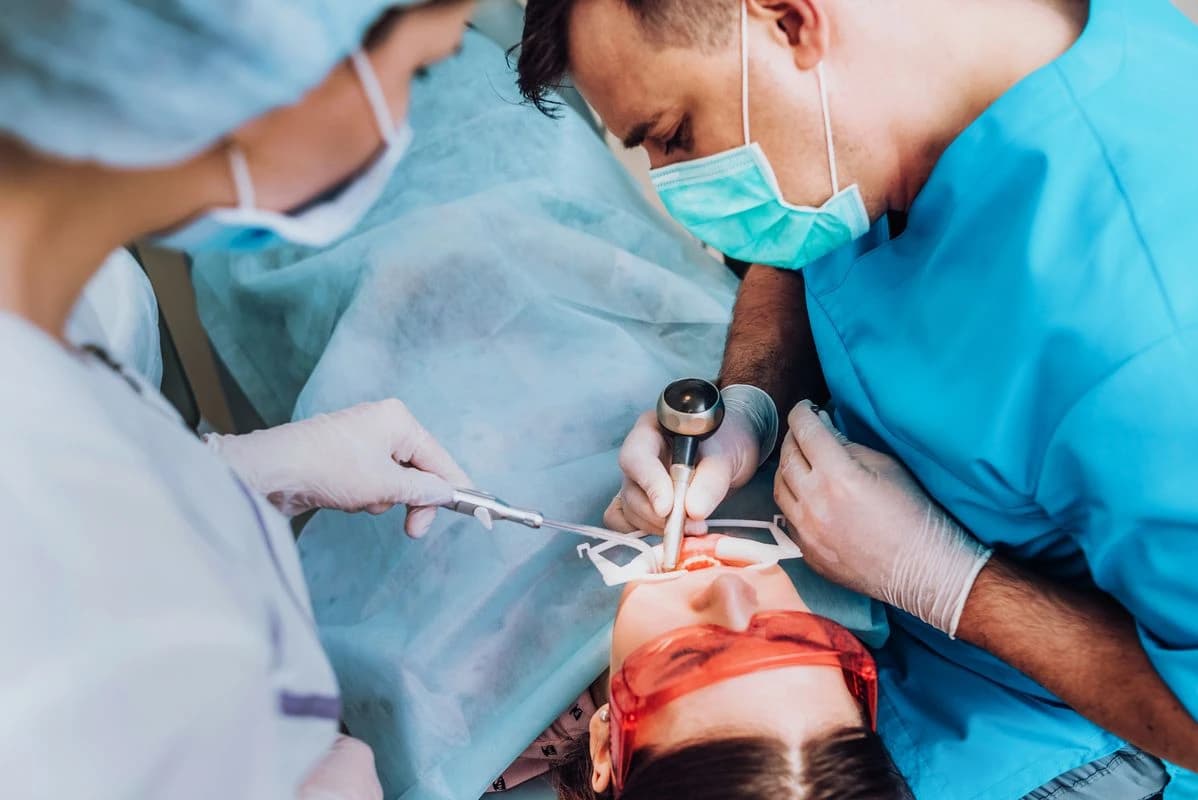
Wisdom tooth removal in Dubai is a common procedure, but it should not be automatic. Some wisdom teeth come through normally and stay healthy for life. Others become trapped, partly erupted or hard to clean, and those are the ones that tend to cause trouble.
This guide explains when removal is advised, what happens on the day, what affects the cost and what recovery usually looks like. It is general information, so your own advice should come from an examination and X-rays. You can read more about wisdom tooth removal at MID Dental Clinic in City Walk.
Quick answer: do I need my wisdom teeth removed?
Not always. Wisdom teeth that are healthy and causing no problems are usually left alone and monitored at check-ups. Removal is considered for repeated infection, pain, decay that cannot be restored, damage to a neighbouring tooth, gum disease or a cyst. An examination and imaging are needed to decide.
What are wisdom teeth, and why do they cause problems?
Wisdom teeth are the last adult teeth to develop. There is often limited space at the back of the mouth, so a wisdom tooth may be impacted, meaning it is unable to come through fully. A partly erupted tooth can trap food and bacteria beneath a flap of gum, which makes infection more likely and cleaning difficult.
When is wisdom tooth removal recommended?
The NHS says removal is considered when wisdom teeth cause problems. If a tooth causes none, it is usually left in place and checked at routine appointments. NICE guidance in the UK also advises against routinely removing healthy impacted wisdom teeth. Reasons your dentist may recommend removal include:
- repeated gum infection around a partly erupted tooth;
- pain that keeps returning;
- decay that cannot be restored predictably;
- damage to the tooth next to it;
- gum disease affecting the area;
- a cyst.
An oral surgery consultation gives you the chance to discuss whether removal, monitoring or another option makes the most sense for your teeth.
Do wisdom teeth cause crowding?
This is a common worry, especially after braces. A wisdom tooth with no disease does not automatically need removing, even if you have had orthodontic treatment. If your teeth are moving, the more useful step is an assessment of the cause, along with a check of your retainers. An orthodontic consultation can help, and our guide on choosing an orthodontist in Dubai explains what to look for.
How is a wisdom tooth removed?
- Assessment and imaging. Dental imaging shows the tooth’s position, its root shape and how close it sits to nearby structures. Three-dimensional imaging may be recommended for selected lower wisdom teeth near a nerve.
- Consent. Your dentist explains the planned approach and the risks specific to your case.
- Anaesthesia. Removal is carried out under appropriate anaesthesia, so the area is numb before treatment starts.
- Removal. A straightforward tooth may be removed much like any other. An impacted tooth may need a small gum incision, limited bone removal or division into sections. This is called a surgical extraction.
- Closing the area. Stitches may be placed, and you bite on gauze to help a clot form.
- Aftercare. You receive instructions on food, oral hygiene, medication and activity.
The NHS notes that the extraction itself usually takes no more than about 40 minutes and that most people go home the same day. Your own appointment may be longer, and it depends on the tooth.
How much does wisdom tooth removal cost in Dubai?
The fee depends on how difficult the tooth is to remove, so a quote without imaging can only be a rough guide. The main factors are:
- Tooth position: an erupted tooth is usually simpler than one that is impacted.
- Surgical complexity: an incision, bone removal or sectioning all add to the work.
- Imaging: standard X-rays, or three-dimensional imaging if it is clinically needed.
- Anaesthesia: the type suited to your case.
- Number of teeth: and whether they are treated at one visit or several.
- Follow-up: review appointments and any stitch removal.
Ask for a written estimate showing what is included, and check your insurance policy before treatment. MID Dental Clinic accepts insurance, but cover varies between plans.
What is the recovery timeline?
- The first day: numbness wears off and some bleeding or oozing is normal. Rest and keep your head raised.
- Days one to three: swelling, soreness, bruising or restricted mouth opening are common. The NHS says pain and swelling should start to improve after one or two days.
- Up to two weeks: the NHS says you may still have some pain, swelling, cheek bruising or a stiff, sore jaw during this time.
Many people return to normal activities the day after removal. A difficult extraction may mean one to three days off work.
How should you look after your mouth after removal?
- Take suitable pain relief, such as paracetamol or ibuprofen, as directed.
- Eat soft or liquid food until chewing feels comfortable.
- Avoid hard, crunchy foods and small items such as nuts or seeds.
- Avoid very hot drinks, which could scald the numb area or increase bleeding.
- Do not smoke, because this can increase the risk of infection.
- Brush your other teeth, avoid the wound, and rinse gently as your dentist advises.
- If the area bleeds, press firmly with clean gauze or a clean cloth for at least 10 minutes.
What are the risks of wisdom tooth removal?
Your dentist should explain the risks that apply to your own tooth. The main ones are:
- Dry socket: this painful complication occurs when the clot does not form properly or is dislodged. See dry socket treatment for how it is managed.
- Infection: worsening pain, a bad taste or a high temperature need review.
- Nerve injury: temporary or, less often, longer-lasting numbness or tingling in the tongue, lip or chin can occur.
- Damage to nearby teeth or restorations.
When should you get help after surgery?
Contact your dentist if bleeding does not stop, if pain or swelling is severe or worsening despite painkillers, or if you have pain with a bad taste, a high temperature or feel unwell. Difficulty breathing or swallowing needs emergency medical care. Our guide to dental emergencies in Dubai explains what to do.
How can you protect the area long term?
If you are keeping your wisdom teeth, they still need careful cleaning and regular monitoring, since they are hard to reach. Our guides to bleeding gums and how often to have a dental check-up explain what to watch for. If a different tooth has been lost, compare your options in dental implant vs dental bridge in Dubai.
Questions to ask before removal
- Why does this tooth need to come out now?
- What happens if I leave it and monitor it?
- How close is it to the nerve?
- Will this be a simple or surgical extraction?
- What is included in the estimate?
- How much time should I take off work?
Book a wisdom tooth assessment in City Walk, Dubai
MID Dental Clinic is located at G08, Building 14, City Walk Residential, Al Wasl, Dubai, UAE. Call +971 54 211 9996 or request an appointment. The clinic is open Tuesday to Sunday, 12:00 PM to 8:00 PM, and closed on Mondays. Explore the Oral Surgery department or meet Dr. Abdelrahman Ezzat, the clinic’s Medical Director.
- wisdom tooth removal Dubai
- wisdom tooth extraction cost Dubai
- impacted wisdom tooth
- wisdom tooth recovery
- خلع ضرس العقل في دبي
- تكلفة خلع ضرس العقل في دبي
Next step
Does this apply to you?
Book a consultation and we will look at your case specifically, rather than in general.
Request an appointment
Common questions
Related questions.
City Walk, Dubai
Does this apply to you?
Book a consultation and we will look at your case specifically, rather than in general.