Patient Care
Should You Save a Tooth or Have It Extracted? A Dubai Patient Guide
Told a tooth may need to come out? Learn how dentists decide between saving and extracting a tooth, what the procedure involves and how to plan what comes next.
- Published
- 5 November 2026
- Reading time
- 6 min
- Written by
 Dr. Abdelrahman Ezzat
- Reviewed by
- Dr. Abdelrahman Ezzat
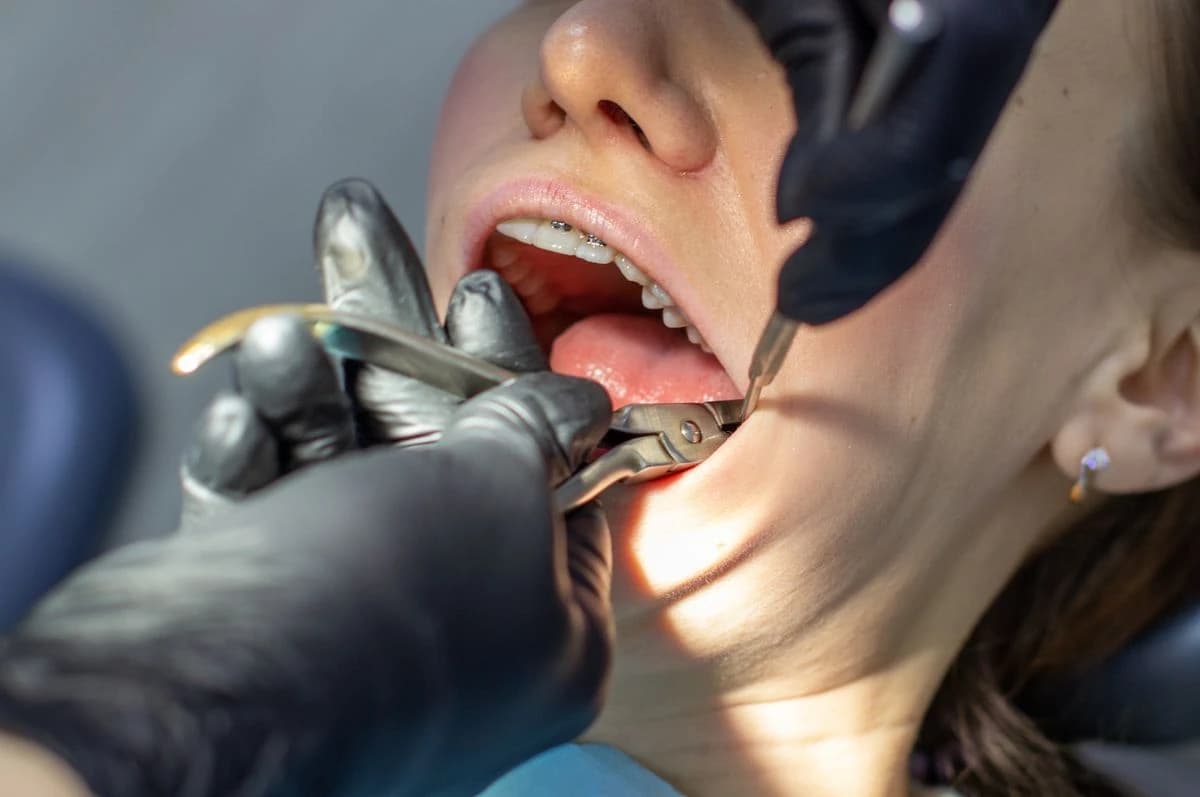
Being told a tooth may need to come out can be unsettling, particularly if it does not even hurt much. Deciding whether to save a tooth or have an extraction in Dubai is not always straightforward. Dentists generally prefer to keep natural teeth, but keeping a tooth only makes sense when it can be restored and maintained predictably.
This guide explains how that decision is made, what the alternatives are, what an extraction involves and how to plan what comes next. It is general information, and only an examination can answer the question for your tooth. You can also read about tooth extraction at MID Dental Clinic in City Walk.
Quick answer: can my tooth be saved, or does it need extracting?
A tooth can often be saved if enough healthy structure and supporting bone remain. Options include a filling, crown, gum treatment or root canal treatment. Extraction is usually advised when a tooth is too damaged, loose or infected to be restored predictably. An examination and X-rays are needed to decide.
Why do dentists try to save a tooth first?
A natural tooth is well suited to the job it does. It sits in the bone, works with the teeth around it and has the supporting tissues you were born with. Keeping it also avoids the gap that an extraction leaves behind, along with any treatment needed to replace it.
Saving a tooth is not automatically the right answer, though. A heavily compromised tooth may need several procedures and still have a poor long-term outlook. A good plan looks at the likely result over time, not just what is possible today.
How does a dentist decide?
Your dentist will consider several questions together:
- How much tooth remains? There must be enough healthy structure to hold a restoration.
- Is there a crack? A crack that extends below the gum or into the root can be difficult to treat.
- Is the nerve affected? Infection or inflammation inside the tooth may need root canal treatment.
- How much support is left? Bone and gum loss from advanced gum disease can leave a tooth loose.
- What has been done before? A tooth that has been treated several times may have fewer options.
- What is the wider plan? A tooth may be considered differently as part of orthodontic or restorative treatment.
Clinical examination, X-rays and sometimes three-dimensional imaging help to answer these questions.
What are the alternatives to extraction?
Depending on the problem, a tooth may be preserved with:
- A filling: tooth-coloured fillings repair smaller areas of decay or damage.
- An onlay or crown: larger damage may need an inlay or onlay or a metal-free crown for protection.
- Root canal treatment: root canal treatment manages infection or inflammation inside the tooth.
- Gum treatment: periodontal treatment can help to stabilise teeth affected by gum disease.
- Broken tooth repair: a repair may be enough for smaller fractures.
If you have been told extraction is the only option and you are unsure, it is reasonable to ask why the alternatives are not suitable. A second opinion is a normal part of a major decision.
When is extraction the better choice?
Extraction is recommended when preserving the tooth is unsuitable or carries an unfavourable outlook. Common reasons include:
- severe decay that cannot be restored;
- an extensive fracture;
- advanced gum disease with significant loss of support;
- a tooth that cannot be maintained predictably with restorative or root canal treatment;
- an impacted tooth that is causing problems;
- selected orthodontic treatment plans.
Sometimes the kinder decision is to remove a tooth that keeps causing infection, rather than continue treating it. If gum support is the concern, see our guide to receding gums. If a tooth has become sore or swollen suddenly, our guide to dental emergencies in Dubai can help you judge how quickly to be seen.
What happens if you leave a damaged tooth untreated?
It can be tempting to wait, especially when the pain comes and goes. Unfortunately, pain easing does not always mean the problem has gone. Decay can deepen, a crack can spread and an infection can continue without obvious symptoms, then flare up at a difficult moment. Waiting may also reduce your options, because a tooth that could have been restored last year may no longer have enough structure left today. If you are not ready to decide, ask your dentist how quickly the tooth is likely to change and what warning signs to look out for in the meantime.
What happens during a tooth extraction?
- Assessment. Your dentist reviews your medical history and medicines, and examines the tooth.
- Local anaesthetic. The tooth and surrounding gum are numbed.
- Removal. The tooth is gently loosened and removed.
- Inspection. The area is checked before you leave.
- Aftercare. You receive instructions on what to do at home.
If a tooth cannot be accessed or removed routinely, a surgical extraction may be needed. This may involve a small opening in the gum, removing a little bone or dividing the tooth into sections. Tell your dentist about any medical conditions and all your medicines beforehand, including blood thinners. Do not stop a medicine without speaking to your doctor.
What is recovery like?
Temporary bleeding, tenderness and swelling may occur. Cleveland Clinic says most people return to routine activities within 48 to 72 hours, and common side effects usually resolve within about a week. The jawbone takes longer, and for a large tooth such as a molar it may take up to four months to heal fully.
During early healing:
- avoid smoking, forceful rinsing and drinking through a straw;
- eat soft foods;
- do not touch the area with your tongue or fingers;
- follow the personalised instructions from your dentist.
Contact your dentist if you have severe pain that medication does not relieve, a fever, pus or bleeding that does not settle. Worsening pain a few days later may be dry socket.
How do you replace an extracted tooth?
If the tooth needs replacing, it is best to discuss options before it is removed, because the plan may affect how the extraction is done and when the next step happens. The main options are:
- A dental implant: see the dental implant procedure and timeline, and ask about same-day implants if timing matters.
- A bridge: compare the two in dental implant vs dental bridge.
- A denture: see dentures vs implant-supported dentures if several teeth are involved.
Some gaps at the back of the mouth may not need replacing, but this should be a decision rather than an accident, so ask what leaving a gap would mean for you.
Questions to ask your dentist
- What exactly is wrong with this tooth?
- Can it be saved, and how?
- What is the long-term outlook if we try?
- What happens if I do nothing?
- If it comes out, will it be a simple or surgical extraction?
- What are my options for replacing it?
Book a tooth assessment in City Walk, Dubai
MID Dental Clinic is located at G08, Building 14, City Walk Residential, Al Wasl, Dubai, UAE. Call +971 54 211 9996 or request an appointment. The clinic is open Tuesday to Sunday, 12:00 PM to 8:00 PM, and closed on Mondays. Explore the Oral Surgery department or meet Dr. Abdelrahman Ezzat, the clinic’s Medical Director.
- tooth extraction Dubai
- can my tooth be saved
- root canal or extraction
- tooth removal Dubai
- خلع الأسنان في دبي
- هل يمكن إنقاذ السن
Next step
Does this apply to you?
Book a consultation and we will look at your case specifically, rather than in general.
Request an appointment
Common questions
Related questions.
City Walk, Dubai
Does this apply to you?
Book a consultation and we will look at your case specifically, rather than in general.