Restorative Dentistry
Dentures vs Implant-Supported Dentures in Dubai: Which Suits You?
Comparing dentures in Dubai? Learn how conventional and implant-supported dentures differ in stability, treatment, daily care and suitability before you decide.
- Published
- 5 November 2026
- Reading time
- 6 min
- Written by
 Dr. Abdelrahman Ezzat
- Reviewed by
- Dr. Abdelrahman Ezzat
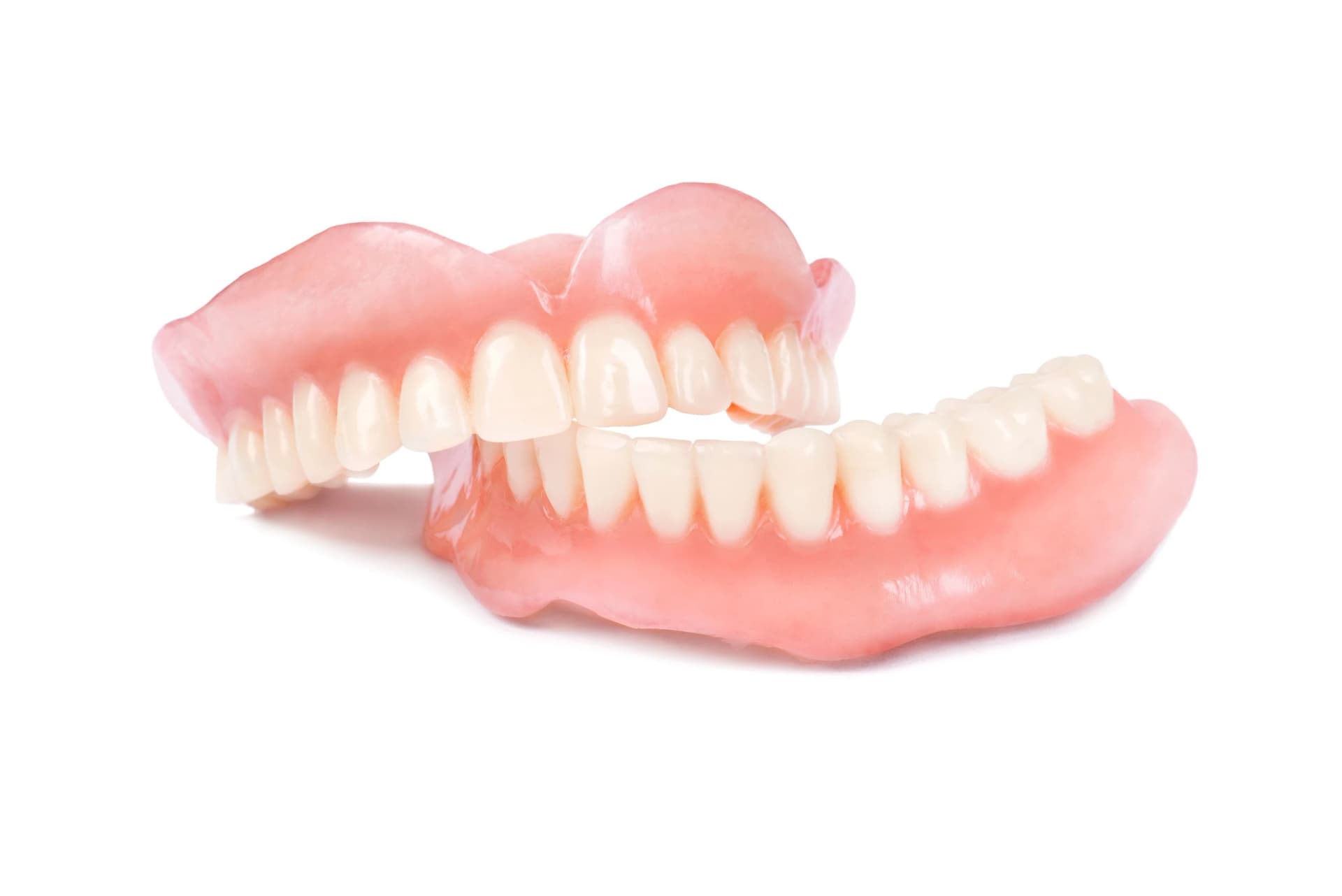
Comparing dentures vs implant-supported dentures in Dubai usually starts with a simple frustration: a denture that moves when you talk or eat, or the prospect of losing several teeth and wanting something you can rely on. Both options can replace multiple missing teeth, but they work in different ways and suit different people.
This guide explains how each option works, how they compare in everyday life, what treatment involves and how to decide. It is general information, and no design should be chosen before a clinical assessment. You can also read about full and partial dentures and implant-supported dentures at MID Dental Clinic in City Walk.
Quick answer: dentures or implant-supported dentures?
Conventional dentures are removable, need no surgery and rest on the gums. Implant-supported dentures clip onto dental implants, which can improve retention when eating or speaking, but they require surgery, healing and suitable bone. The right choice depends on your gums, jawbone, remaining teeth, general health and preferences.
What are conventional dentures?
Dentures are removable appliances that replace multiple missing teeth. Full dentures replace all the teeth in an upper or lower arch. Partial dentures replace selected teeth and use the remaining teeth for support, sometimes with clasps or other components for stability.
A denture is individually designed according to the shape of your mouth, gums, remaining teeth and bite. Conventional dentures depend on a good fit, and the way they stay in place varies from person to person.
What are implant-supported dentures?
An implant-supported denture is a removable replacement for multiple missing teeth that connects to dental implants for added retention. It may be considered when a conventional denture moves during speaking or eating, provided your mouth and general health are suitable for implant treatment. Depending on the design, the denture may connect to individual attachments or a supporting bar.
Terminology can be confusing. Implant-supported dentures are generally designed for you to remove for cleaning, and they are sometimes called overdentures or snap-on dentures. A fixed full-arch implant restoration is different, because it stays fixed in place and is removed only by a dentist. Our guide to full-mouth dental implants compares fixed and removable options in more detail.
How do they compare?
- Stability: implant support may improve retention and confidence when eating or speaking. Cleveland Clinic notes that these dentures are designed not to shift or slip the way a loose denture can.
- Surgery: conventional dentures need none. Implants need a surgical procedure and a healing period.
- Time: conventional dentures usually take several appointments. Implant treatment takes longer, because implants need time to integrate with the bone.
- Suitability: conventional dentures suit most mouths. Implants need adequate bone and suitable general health.
- Daily care: both need daily cleaning. Implant dentures also need cleaning around the implants and attachments.
- Maintenance: both may need adjustment, relining or replacement. Implant attachments can also wear.
Neither is the right choice for everyone. A well-made conventional denture may meet your needs, particularly if you prefer to avoid surgery.
Who may suit each option?
A conventional denture may be a good fit if you prefer a non-surgical option, if implants are not suitable for you, or if you need a replacement while other treatment is planned.
An implant-supported denture may suit you if your current denture moves when you eat or speak, you have enough bone, and you are able to commit to surgery, healing and maintenance. Results depend on health, hygiene, smoking, bone and follow-up care. Our dental implant candidate checklist explains what is assessed. If you are missing only a few teeth, compare dental implants and bridges as well.
How are dentures made?
- Dental assessment. Your mouth, gums, remaining teeth and bite are examined.
- Scans or impressions. Detailed records are taken to design the denture.
- Bite registration. Measurements establish how the upper and lower teeth meet.
- Trial stage. The fit, tooth position and appearance may be reviewed before completion.
- Delivery and adjustment. The final denture is fitted and care instructions are given.
Several appointments are usually required, and further adjustments may be needed as your mouth adapts. If teeth need removing first, see should you save a tooth or have it extracted?
What does implant-supported denture treatment involve?
- Clinical assessment and implant planning, with imaging and scans if needed.
- Preparation of your oral health and bone, when required.
- Surgical placement of the implants.
- Healing and integration with the jawbone.
- Construction or modification of the denture.
- Attachment, adjustment and cleaning instruction.
Cleveland Clinic says implants generally take about three to six months to integrate with the jawbone. Your current denture may sometimes be adjusted for temporary use during healing, depending on its fit, the surgical sites and clinical safety. Surgical risks include infection, delayed healing, injury to nearby structures and implant failure, so these should be discussed beforehand. Our guide to the dental implant procedure and timeline explains each stage.
What is it like getting used to dentures?
New dentures can feel unfamiliar at first. The NHS says it can take a few weeks to get used to them. Speaking and eating may need practice, and mild pressure areas can occur. Start with manageable foods and chew carefully on both sides. Reading aloud at home can also help you get used to speaking with them. Do not try to reshape or repair a denture yourself. If it becomes painful, loose, cracked or unstable, arrange an assessment.
How do you care for dentures?
The NHS recommends brushing your dentures with soft soap or washing-up liquid every morning and evening rather than toothpaste, which could damage them. Clean them over water or a soft towel, since they can break if dropped. Brush your gums, tongue and remaining teeth with fluoride toothpaste as well.
Unless your dentist advises otherwise, remove them at night and keep them in water or a denture-cleaning solution. With implant dentures, also clean the implants, attachments, gums and remaining teeth every day as instructed. Poor denture hygiene can contribute to bad breath, and red or bleeding gums should be checked.
What if your denture no longer fits?
Dentures can become loose or uncomfortable as your gums and supporting bone change over time. Denture repair, relining and adjustment may help. An adjustment eases pressure areas, a reline improves contact with the gums, and a repair may fix a crack or a detached tooth. Severely worn or repeatedly repaired dentures may need replacing. Do not use household glue, which can damage the appliance and make professional repair harder.
Keep attending dental check-ups, even with full dentures, so the fit and oral tissues can be examined.
Questions to ask your dentist
- Which options are suitable for my mouth?
- Do I have enough bone for implants?
- How many implants would I need, and what attachment would you use?
- Can my existing denture be used during treatment?
- How long will treatment take from start to finish?
- What maintenance should I expect over time?
Book a denture consultation in City Walk, Dubai
MID Dental Clinic is located at G08, Building 14, City Walk Residential, Al Wasl, Dubai, UAE. Call +971 54 211 9996 or request an appointment. The clinic is open Tuesday to Sunday, 12:00 PM to 8:00 PM, and closed on Mondays. Explore the Prosthodontics department or meet Dr. Abdelrahman Ezzat, the clinic’s Medical Director.
- dentures Dubai
- implant-supported dentures Dubai
- overdentures
- loose dentures
- أطقم الأسنان في دبي
- أطقم الأسنان المدعومة بالزرعات
Next step
Does this apply to you?
Book a consultation and we will look at your case specifically, rather than in general.
Request an appointment
Common questions
Related questions.
City Walk, Dubai
Does this apply to you?
Book a consultation and we will look at your case specifically, rather than in general.