Oral Health
Receding Gums in Dubai: Causes, Signs and Treatment Options
Do your teeth look longer than they used to? Learn why gums recede, the early signs, how recession is managed and when gum grafting may be considered in Dubai.
- Published
- 5 November 2026
- Reading time
- 6 min
- Written by
 Dr. Abdelrahman Ezzat
- Reviewed by
- Dr. Abdelrahman Ezzat
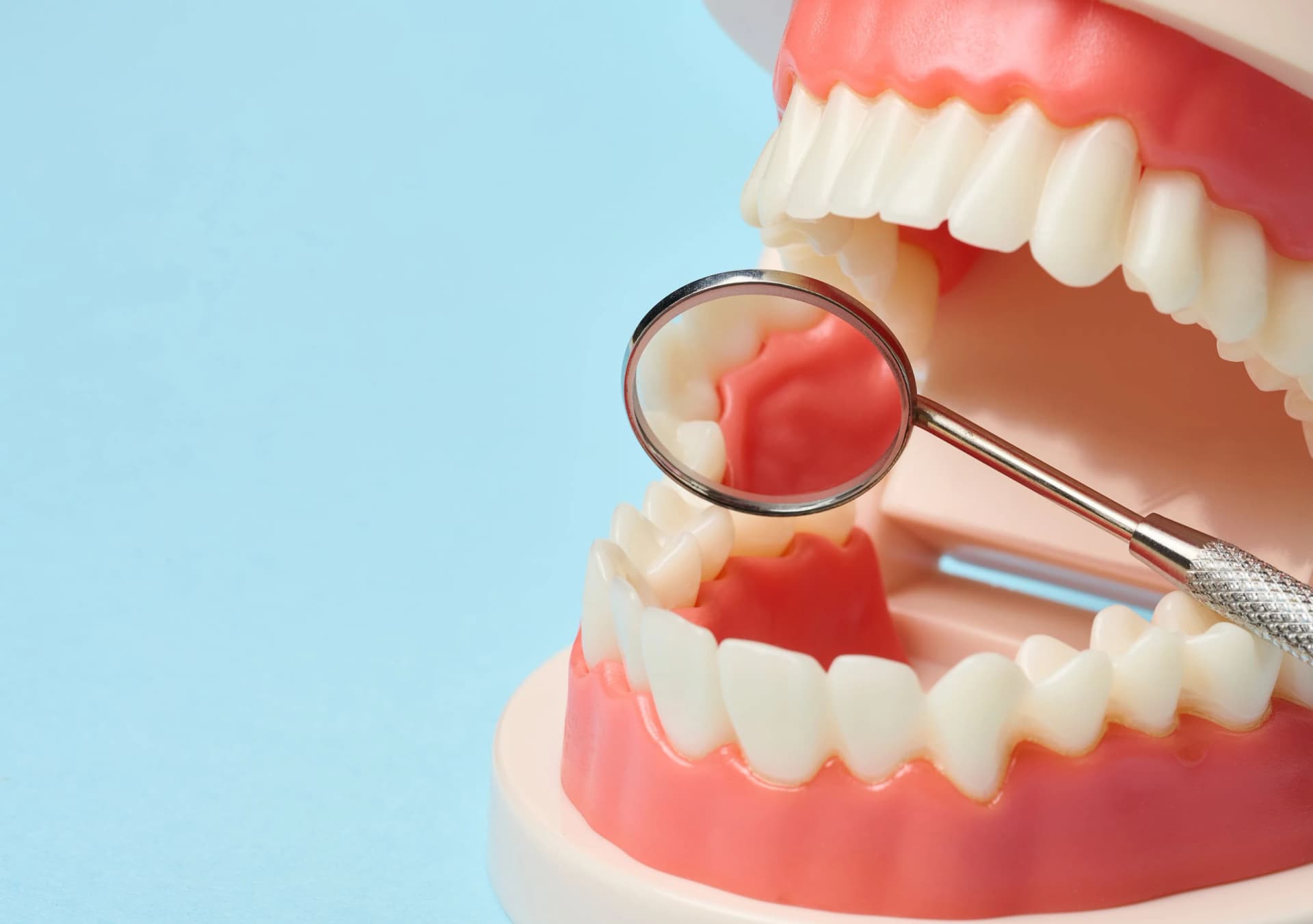
Receding gums in Dubai are easy to miss, because the change happens slowly. You might first notice that a tooth looks a little longer, or that cold water suddenly feels sharp near the gumline. Gum recession is common, and although lost gum tissue does not grow back by itself, it can usually be managed once the cause is understood.
This guide explains what causes gums to recede, how to spot it early, how it is treated and what you can do at home. It is general information, and treatment cannot be chosen from appearance alone. You can also read about gum recession treatment at MID Dental Clinic in City Walk.
Quick answer: what should I do about receding gums?
Book a dental examination to identify the cause, as receded gum tissue does not grow back by itself. Early or stable recession may simply be monitored while you change your brushing and control plaque. If roots need protection or coverage, your dentist may discuss gum grafting. Treatment depends on the cause.
What is gum recession?
Gum recession occurs when the gum margin moves away from its previous position and exposes part of the tooth root. It can affect one tooth or several, and it may be mild, moderate or severe. Teeth may look longer, and the exposed surfaces can become sensitive or more susceptible to root decay and wear.
What causes receding gums?
Recession has several possible causes, and more than one may be involved.
- Gum disease: periodontal disease can damage the tissues that support the teeth. See bleeding gums in Dubai for the early signs.
- Brushing too hard: aggressive brushing can gradually injure the gumline.
- Thin gum tissue: Cleveland Clinic notes that some people are genetically prone to this.
- Tooth position: misaligned teeth can leave less gum and bone over the root.
- Tobacco use: smoking or chewing tobacco is a recognised risk.
- Mechanical pressure or trauma: this includes lip or tongue piercings, and injury to the gums.
Cleveland Clinic points out that poor oral hygiene is often a factor, but not always. People who look after their teeth very carefully can still have recession, sometimes because they brush too firmly.
What are the signs of receding gums?
- teeth that look longer than they used to;
- a visible root surface, which is often darker or more yellow than the crown;
- a notch you can feel near the gumline;
- sensitivity to heat, cold or sweet foods;
- sensitivity during brushing, flossing or cleaning;
- discomfort near the gumline.
Recession often causes little discomfort early on. A dentist can measure it and compare it over time, and our guide to how often to have a dental check-up explains why regular reviews help.
Why does gum recession matter?
Mild recession may stay stable for years, but it should not simply be ignored. Exposed roots do not have the same protective enamel as the crown, so they can become sensitive, and they are more vulnerable to root decay and wear. If the cause is active gum disease, Cleveland Clinic warns that recession left untreated can lead to bone loss, loose teeth and tooth loss. If a tooth has lost too much support, our guide to saving or extracting a tooth explains how that decision is made.
Is gum recession the same as gum disease?
Not exactly. Gum disease is one possible cause of recession, but it is not the only one. A person with otherwise healthy gums can still have recession from brushing too hard or from thin gum tissue. In the same way, a person can have gum disease without obvious recession. This is why treatment cannot be chosen from appearance alone. Your dentist needs to know whether the recession is linked to active disease, because that changes what should happen first and how closely your gums need to be followed up.
How is gum recession assessed?
- History. Your dentist asks about symptoms, brushing habits, smoking and medical conditions.
- Gum examination. The gums are checked for inflammation, bleeding, plaque and calculus.
- Measurements. The amount of recession and the depth of any pockets are recorded.
- Bite and tooth position. Grinding, crowding or tooth position are considered.
- X-rays if needed. These help to assess the supporting bone.
- Plan. The cause, options and expected results are explained.
You can start with a periodontal consultation.
How are receding gums treated?
Treatment depends on the cause, so it starts with whatever is driving the recession.
Monitoring and prevention
Early or stable recession may be monitored while contributing factors are addressed. This can include changing your brushing technique, improving plaque control and using products for sensitivity.
Treating gum disease
If inflammation is involved, professional care comes first. This may include teeth cleaning and scaling or, for deeper problems, deep cleaning and root planing. Periodontal maintenance may then be recommended.
Addressing other causes
Where tooth position is a factor, orthodontic treatment may be discussed. If you grind or clench your teeth, read our guide to teeth grinding and night guards.
Gum grafting
When additional tissue protection or root coverage is needed, gum grafting may be considered. After local anaesthesia, graft material is placed and secured in the treatment area. Tissue may be taken from another area of the mouth, or an alternative graft material may be considered. Cleveland Clinic describes grafting as the most predictable and long-lasting option for gum recession.
Not every recession defect can achieve complete root coverage. The achievable result depends on the recession pattern, the remaining tissue and other clinical factors, so discuss expected outcomes beforehand.
What is recovery like after gum grafting?
Temporary swelling, tenderness or minor bleeding can occur. Patients are generally advised to avoid brushing or disturbing the area until instructed, eat suitable foods and use any prescribed medication as directed. Healing progresses over several weeks, while the tissue continues to mature for longer. Follow-up visits let your dentist monitor healing and give you cleaning instructions.
How can you protect your gums?
- Use a soft-bristled brush with gentle movements, rather than scrubbing.
- Clean between your teeth every day.
- Avoid smoking and chewing tobacco.
- Consider removing lip or tongue piercings that touch the gums.
- Keep up with your check-ups and cleanings.
Recession cannot always be prevented, especially with thin gum tissue, but these habits lower your risk.
Does gum recession affect cosmetic treatment or implants?
Yes. Your gum line frames your teeth, so its condition affects cosmetic planning, and healthy gums come first. If you are considering veneers, read veneers in City Walk, Dubai and are veneers painful? Gum tissue around implants also matters, and grafting may be considered around dental implants in selected cases. See am I suitable for dental implants?
Questions to ask your dentist
- What is causing my gums to recede?
- Is the recession stable or progressing?
- Should I change my brushing technique?
- Do I need treatment now, or monitoring?
- Would grafting help, and what result is realistic?
- How will my gums be reviewed from now on?
Book a gum assessment in City Walk, Dubai
MID Dental Clinic is located at G08, Building 14, City Walk Residential, Al Wasl, Dubai, UAE. Call +971 54 211 9996 or request an appointment. The clinic is open Tuesday to Sunday, 12:00 PM to 8:00 PM, and closed on Mondays. Explore the Periodontics department or meet Dr. Abdelrahman Ezzat, the clinic’s Medical Director.
- receding gums Dubai
- gum recession treatment Dubai
- gum grafting Dubai
- exposed tooth root
- انحسار اللثة في دبي
- ترقيع اللثة في دبي
Next step
Does this apply to you?
Book a consultation and we will look at your case specifically, rather than in general.
Request an appointment
Common questions
Related questions.
City Walk, Dubai
Does this apply to you?
Book a consultation and we will look at your case specifically, rather than in general.