Dental Health
Tooth Wear in Dubai: Why Teeth Get Shorter and What Can Help
Do your teeth look shorter, flatter or more sensitive? Learn what causes tooth wear, how erosion and grinding differ and how worn teeth are protected in Dubai.
- Published
- 5 November 2026
- Reading time
- 6 min
- Written by
 Dr. Abdelrahman Ezzat
- Reviewed by
- Dr. Abdelrahman Ezzat
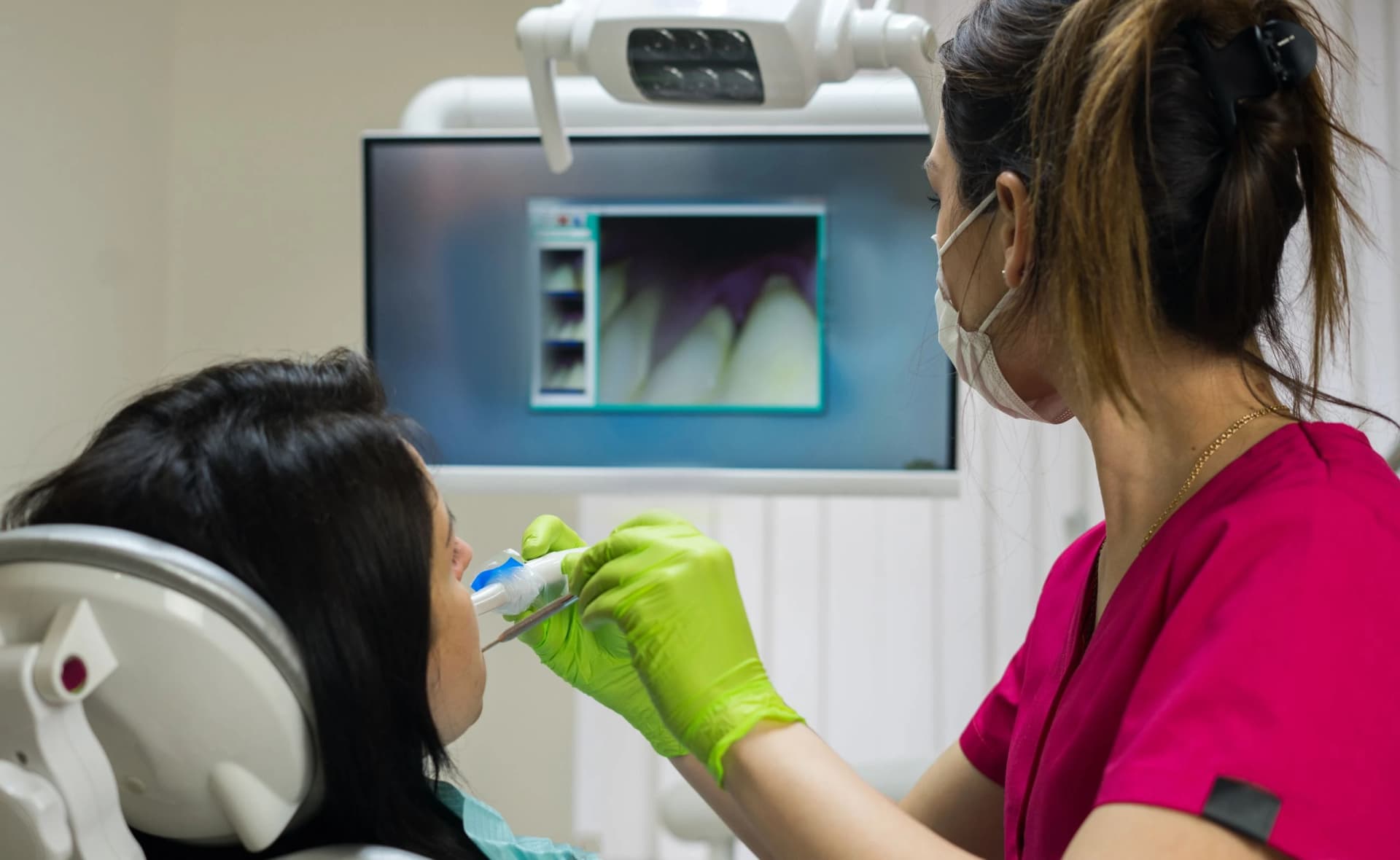
Tooth wear in Dubai tends to creep up on people. Your front teeth may look a little shorter in old photos, the edges may seem thin or see-through, or cold drinks may start to sting. Because wear usually happens slowly, and may not hurt at first, it is often noticed only after a fair amount of tooth has been lost.
This guide explains what causes tooth wear, how to spot it, how it is assessed and what can be done. It is general information, and only an examination can confirm the cause. You can also read about tooth-wear assessment and treatment at MID Dental Clinic in City Walk.
Quick answer: what should I do about worn teeth?
Have your teeth examined to find the likely cause, such as grinding, acidic food and drink, reflux or abrasive habits. Lost enamel does not grow back, so early care focuses on prevention and monitoring. When tooth structure or function needs rebuilding, options include bonding, onlays or crowns, chosen for your case.
What is tooth wear?
Tooth wear is the gradual loss of enamel and, in more advanced cases, the underlying dentine. It is different from tooth decay, which is caused by bacteria, and it often results from several factors acting together. Some wear is a normal part of ageing. It becomes a concern when it is faster than expected for your age, or when it causes sensitivity, damage or changes in appearance.
What causes tooth wear?
There are three main types, and many people have more than one.
Erosion: wear from acid
Acid can soften and dissolve enamel. The American Dental Association describes two sources:
- From outside the body: frequent soft drinks, sports drinks and fruit juices are the main dietary risk, along with acidic sweets and snacks. Intense exercise with dehydration and chlorinated swimming pools can also play a part.
- From inside the body: gastric reflux and recurrent vomiting bring stomach acid into the mouth. The ADA notes this is especially damaging when it happens during sleep.
In a hot climate like Dubai’s, it is easy to sip on juices or sports drinks all day, and frequent sipping keeps teeth in contact with acid for longer.
Attrition: wear from tooth contact
This comes from teeth grinding against each other, usually through clenching or grinding. Much of it happens during sleep, so many people have no idea it is going on. Our guide to teeth grinding and night guards explains the causes and signs.
Abrasion: wear from outside objects
This comes from habits such as brushing too hard, biting nails or using your teeth on hard objects. Brushing teeth softened by acid can make this worse. Abrasion near the gumline may be mixed up with receding gums, and the two can occur together.
What are the signs of tooth wear?
- teeth appearing shorter, flatter or uneven;
- rounded, smooth or transparent edges;
- yellow areas where dentine has become exposed;
- sensitivity to cold, heat or sweet foods;
- small fractures or rough edges;
- changes in your bite or appearance.
The ADA adds that early erosion often has no symptoms at all, and can give teeth a glossy or “melted” look. This is one reason regular examinations matter, and our guide to how often to have a dental check-up explains how your interval is set.
Which drinks are hardest on your enamel?
The ADA names soft drinks, particularly carbonated sodas, as a primary risk factor for erosive wear, with sports drinks and fruit juices also of concern. How often you drink them matters as well as what they are. Water is a kinder everyday choice, and the ADA suggests having milk with acidic food or drink.
How is tooth wear assessed?
- Pattern and severity. Your dentist examines where and how much wear there is. The pattern can give clues to the cause.
- History. Diet, oral-care habits, grinding, medicines and relevant medical conditions are discussed.
- Records. Photographs, scans, study models or X-rays may be recommended to document the condition.
- Medical factors. If reflux, repeated vomiting or dry mouth may be contributing, your dentist may suggest speaking with an appropriate healthcare professional.
- Plan. Monitoring, prevention and any restorative options are explained.
Records are useful because they let future changes be compared with a baseline, so you can tell whether wear is active or stable.
How is tooth wear treated?
Treatment depends on the cause, severity and symptoms.
Prevention and monitoring
Early management may focus on monitoring, reducing acid exposure, adjusting brushing habits, managing sensitivity or protecting teeth from grinding. Mild wear that is not causing problems may not need any restorative work.
Protecting the teeth
A custom night guard may be considered for suitable patients who grind or clench. Fluoride may also help to protect enamel, although the ADA notes that results vary and more research is needed.
Restoring worn teeth
When tooth structure or function needs rebuilding, options may include bonding, tooth-coloured restorations, inlays and onlays or dental crowns. Extensive cases may need treatment in stages, and may involve a prosthodontic consultation.
Restorations do not remove the underlying cause, so prevention and ongoing monitoring stay important. Without that, new restorations can face the same forces and acids that wore the original teeth. If you are considering veneers for worn front teeth, read e-max veneers for front teeth and veneers vs crowns in Dubai, because your bite affects which option can work.
How can you protect your teeth from further wear?
Based on American Dental Association guidance, these practical changes can help:
- Limit acidic drinks, and avoid dietary acids between meals.
- Avoid sipping acidic drinks slowly, or holding them in your mouth.
- Drink through a straw placed behind the front teeth, if you do have them.
- Rinse with water after acidic food or drink, rather than brushing straight away.
- Drink water with meals, and chew sugar-free gum to encourage saliva.
- Use a soft-bristled brush and fluoride toothpaste, with a gentle technique.
- After vomiting, rinse with water, a sodium bicarbonate rinse or milk rather than brushing.
- Do not use your teeth to bite hard objects.
Attend your scheduled reviews, so changes can be compared with previous records.
When should you see a dentist sooner?
Arrange an assessment if your teeth look shorter, feel sensitive, or chip more easily than they used to. Do not wait if a tooth breaks, if a sharp edge is cutting your tongue or cheek, or if you have pain. Our guide to dental emergencies in Dubai explains what to do. A badly worn tooth that may not be restorable is discussed in should you save a tooth or have it extracted?
Questions to ask your dentist
- What is causing the wear on my teeth?
- Is it active, or has it stopped?
- Does anything in my diet need to change?
- Do I need a night guard?
- Do I need any treatment now, or monitoring?
- How will you measure changes over time?
Book a tooth-wear assessment in City Walk, Dubai
MID Dental Clinic is located at G08, Building 14, City Walk Residential, Al Wasl, Dubai, UAE. Call +971 54 211 9996 or request an appointment. The clinic is open Tuesday to Sunday, 12:00 PM to 8:00 PM, and closed on Mondays. Explore the Restorative Dentistry department or meet Dr. Abdelrahman Ezzat, the clinic’s Medical Director.
- tooth wear Dubai
- worn teeth treatment Dubai
- dental erosion
- enamel erosion
- تآكل الأسنان في دبي
- علاج الأسنان المتآكلة
Next step
Does this apply to you?
Book a consultation and we will look at your case specifically, rather than in general.
Request an appointment
Common questions
Related questions.
City Walk, Dubai
Does this apply to you?
Book a consultation and we will look at your case specifically, rather than in general.