Oral Health
Bleeding Gums in Dubai: Causes, Gum Disease Signs and Treatment
Do your gums bleed when you brush? Learn the common causes, how gingivitis differs from periodontitis, what treatment involves in Dubai and when to see a dentist.
- Published
- 5 November 2026
- Reading time
- 6 min
- Written by
 Dr. Abdelrahman Ezzat
- Reviewed by
- Dr. Abdelrahman Ezzat
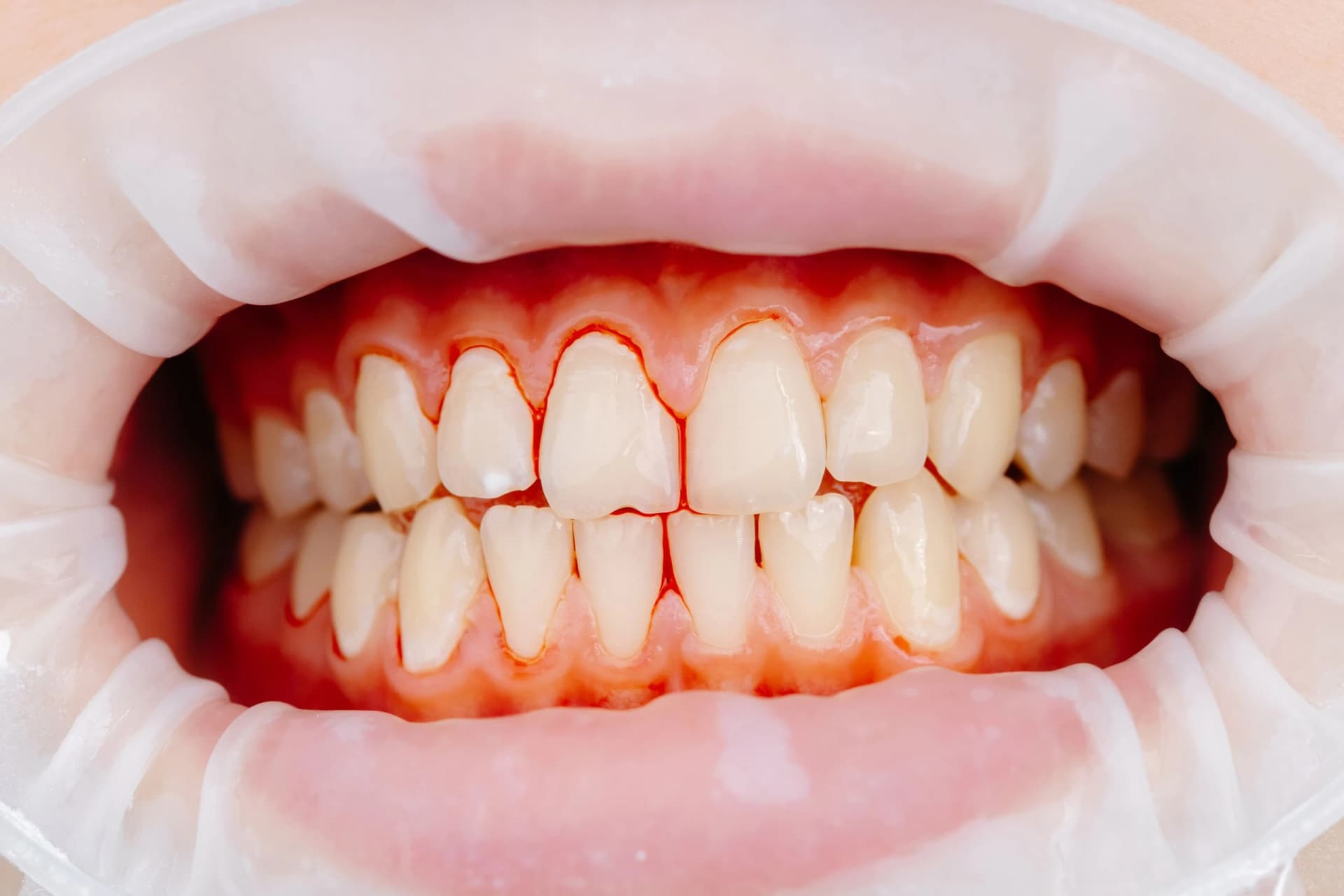
Bleeding gums in Dubai are one of the most common reasons people mention a dental concern, and one of the easiest to dismiss. A little pink in the sink can seem normal. Healthy gums, however, do not usually bleed during ordinary brushing, so regular bleeding is worth understanding.
This guide explains the common causes, how early gum inflammation differs from advanced gum disease and what treatment involves. It is general information, and only an examination can confirm the cause. You can read more about gingivitis treatment at MID Dental Clinic in City Walk.
Quick answer: why are my gums bleeding?
Bleeding gums are most often caused by plaque irritating the gumline, known as gingivitis. Brushing too hard, certain medicines and hormonal changes can contribute. Keep cleaning gently and arrange a dental examination. Early gum inflammation can often be reversed, while untreated disease can progress and affect the teeth’s support.
What causes bleeding gums?
The NHS says gum disease is caused by a build-up of plaque on the teeth. Plaque is a sticky film of bacteria, and when it is not removed by brushing and cleaning between the teeth, it irritates the gums. Other things can make bleeding more likely:
- Hardened plaque: calculus cannot be brushed away and needs professional removal.
- Brushing technique: scrubbing or using a hard brush can injure the gums.
- Starting to floss: gums that are already inflamed may bleed at first.
- Smoking: tobacco use is a major risk factor for gum disease.
- Diabetes: this is linked with gum disease, so regular reviews matter.
- Hormonal changes: including during pregnancy, when the NHS recommends regular check-ups.
- Medicines: blood thinners and some other medicines can affect bleeding. Tell your dentist what you take, and do not stop any medicine without your doctor’s advice.
- Restorations or appliances: rough edges, or plaque trapped around braces, can irritate the gums.
Is it gingivitis or periodontitis?
Gum disease is usually described in stages, and the difference matters because it changes both treatment and outlook.
Gingivitis is the early stage. The gums may be red, swollen or tender, and bleed during brushing or flossing. It has not yet caused loss of supporting bone, and it can often be reversed with professional care and good daily cleaning.
Periodontitis is more advanced. The US National Institute of Dental and Craniofacial Research explains that untreated inflammation can spread to the bones supporting the teeth. Pockets can form between the gums and teeth, and teeth may loosen over time. Treatment then aims to control the disease and protect what remains. Read more about periodontitis treatment.
What other signs of gum disease should you look for?
- red, swollen or tender gums;
- bleeding when brushing, flossing or eating hard foods;
- persistent bad breath or a bad taste;
- gums that appear to be shrinking away from the teeth;
- teeth that feel loose or have started to move;
- changes in the way your teeth meet when you bite.
Gum disease is not always painful, so comfort alone does not tell you that your gums are healthy. A gum disease screening checks what you cannot see. If bad breath is your main concern, see bad breath assessment and treatment.
When should you see a dentist for bleeding gums?
Book an appointment if your gums bleed regularly, feel painful or swollen, or you have persistent bad breath. The NHS advises getting urgent dental advice if you have very sore gums, loose teeth, mouth ulcers or red patches, or a lump in your mouth or on your lip. Our guide to dental emergencies in Dubai explains how to judge urgency, especially if there is swelling or a bad taste.
Do not wait for a routine review if the bleeding is heavy or does not stop. Unusual bleeding or bruising elsewhere on your body should be raised with your doctor.
What happens during a gum assessment?
- Health review. The dentist asks about your symptoms, medical conditions, medicines and smoking.
- Gum examination. The gums are checked for inflammation, bleeding, plaque and calculus.
- Periodontal measurements. These show whether the inflammation is limited to the gums or involves the deeper tissues.
- X-rays if needed. These help assess the supporting bone.
- Diagnosis and plan. The findings and treatment options are explained.
How are bleeding gums treated?
The right treatment depends on the cause and severity.
- Professional cleaning: teeth cleaning and scaling removes plaque and calculus.
- Personalised home care: guidance on brushing technique and interdental cleaning.
- Deep cleaning: if deeper pockets or bone changes are found, deep cleaning and root planing may be recommended.
- Further gum treatment: advanced cases may need additional care, including surgery in selected situations.
- Maintenance: periodontal maintenance helps keep treated disease under control.
A review afterwards confirms whether the inflammation and bleeding have improved. Any treatment still depends on what you do every day at home.
What can you do at home?
The NHS recommends brushing with fluoride toothpaste at least twice a day, cleaning between your teeth daily with floss or interdental brushes, and spitting without rinsing. You can also:
- use a soft-bristled brush and a gentle technique;
- avoid using mouthwash straight after brushing;
- stop smoking, and ask for support if you need it;
- attend regular reviews and cleanings.
Mouthwash alone will not remove the plaque causing the problem. Our guide to how often to have a dental check-up and cleaning explains how your review interval is set.
Is it normal for gums to bleed when you start flossing?
Gums that are already inflamed can bleed when you first clean between your teeth. That does not mean you should stop. Use gentle movements, follow the curve of each tooth and avoid snapping floss into the gum. If bleeding has not settled after a couple of weeks of regular cleaning, or it is heavy or painful, have your gums examined. Interdental brushes can be easier than floss for some people, and your dentist can show you the right size and technique.
Can gum disease come back after treatment?
Yes. Plaque forms on teeth every day, so gum inflammation can return if cleaning slips or reviews are missed. People who have been treated for periodontitis are generally monitored more closely, because the supporting tissues have already been affected. Keeping the condition stable depends on three things working together: thorough daily cleaning, regular professional care, and managing risk factors such as smoking. Your dentist will recommend how often you should return, and this may change as your gums improve.
Why do gum problems matter for other treatment?
Healthy gums are the foundation for most dental work, so active gum disease is usually treated first.
- Implants: gum health is part of deciding whether treatment is suitable. See am I suitable for dental implants?
- Orthodontics: teeth should only be moved in healthy gums, as explained in our clear aligners guide.
- Whitening: inflamed gums need attention first. See our guide to teeth whitening in Dubai.
- Veneers and crowns: healthy gums help restorations look natural and last longer.
Book a gum assessment in City Walk, Dubai
MID Dental Clinic is located at G08, Building 14, City Walk Residential, Al Wasl, Dubai, UAE. Call +971 54 211 9996 or request an appointment. The clinic is open Tuesday to Sunday, 12:00 PM to 8:00 PM, and closed on Mondays. Explore the Periodontics department or meet Dr. Abdelrahman Ezzat, the clinic’s Medical Director.
- bleeding gums Dubai
- gum disease treatment Dubai
- gingivitis treatment Dubai
- periodontitis Dubai
- نزيف اللثة في دبي
- علاج أمراض اللثة في دبي
Next step
Does this apply to you?
Book a consultation and we will look at your case specifically, rather than in general.
Request an appointment
Common questions
Related questions.
City Walk, Dubai
Does this apply to you?
Book a consultation and we will look at your case specifically, rather than in general.