Oral Health
Bad Breath in Dubai: Common Causes and How It Is Treated
Bad breath that keeps coming back usually has a cause that can be found. Learn the common reasons, what helps at home and when to see a dentist in Dubai.
- Published
- 5 November 2026
- Reading time
- 6 min
- Written by
 Dr. Abdelrahman Ezzat
- Reviewed by
- Dr. Abdelrahman Ezzat
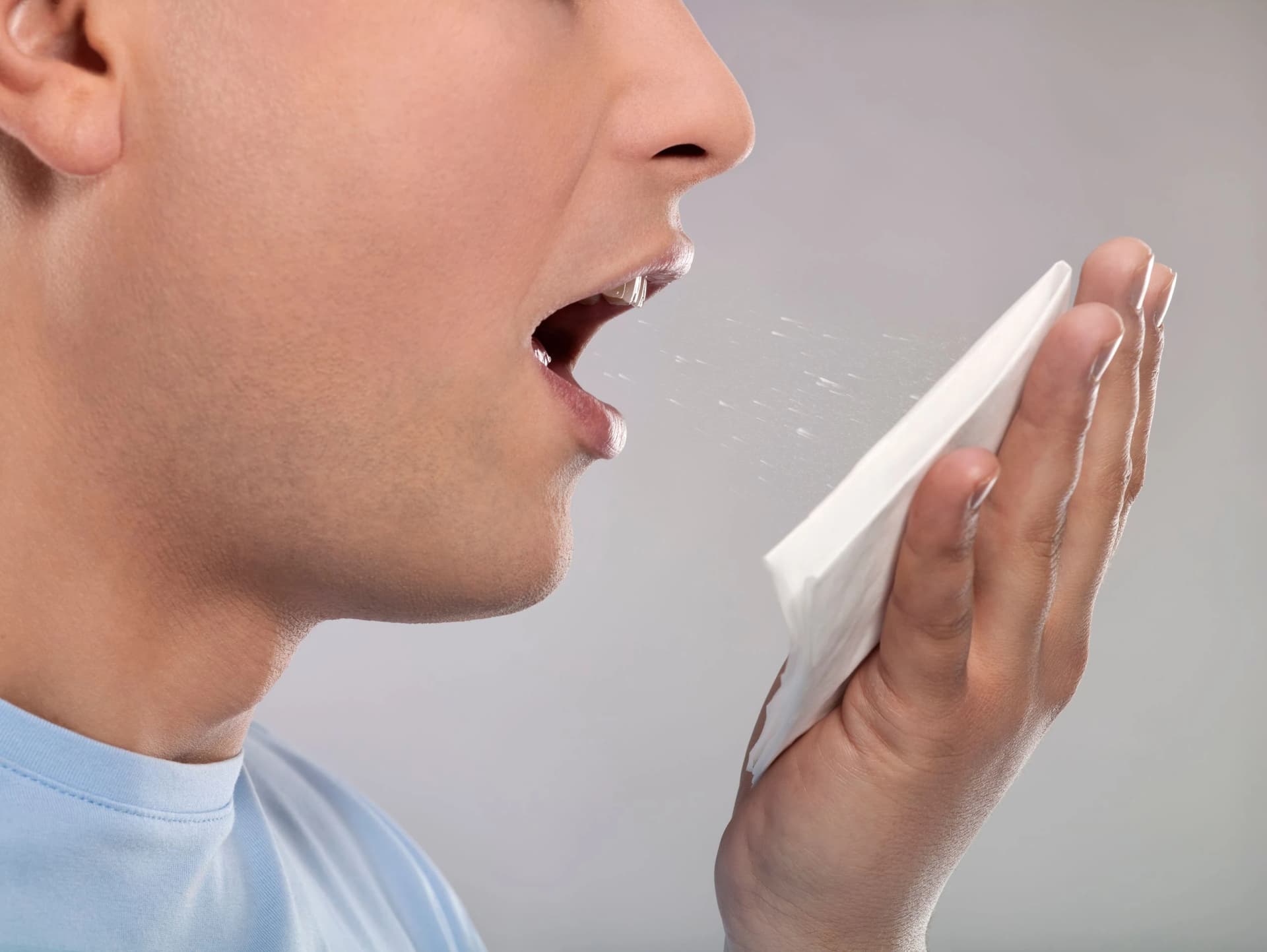
Bad breath in Dubai is more common than most people admit, and it can be hard to bring up, even with your dentist. It is also usually fixable. Persistent bad breath, known as halitosis, tends to have a cause that can be identified, and that cause is often inside the mouth.
This guide explains the common reasons for bad breath, what you can do at home, how it is assessed and when to get help. It is general information, and only an examination can confirm the cause. You can also read about bad breath assessment and treatment at MID Dental Clinic in City Walk.
Quick answer: what causes bad breath, and how do I fix it?
Bad breath usually comes from plaque, gum inflammation, a coated tongue, dry mouth, tooth decay, smoking or strong foods. Brush twice daily, clean your tongue and between your teeth. If it does not improve after a few weeks, see a dentist, because the cause may need treatment rather than masking.
What causes bad breath?
Your breath can change for many reasons. Some are temporary, while others point to something that needs treatment.
- Plaque and gum problems: plaque and gum inflammation are common causes. Our guide to bleeding gums in Dubai explains the warning signs.
- A coated tongue: bacteria and debris can collect on the surface of the tongue, especially towards the back.
- Tooth decay and infection: holes in teeth and dental infections can both cause an unpleasant smell or taste.
- Dry mouth: saliva helps to clean the mouth, so a dry mouth can make breath worse.
- Food and drink: strong-smelling or spicy foods can affect your breath for a while.
- Smoking: tobacco affects your breath and your gums.
- Fasting or crash dieting: the NHS lists both as causes.
- Medical conditions: the NHS mentions tonsillitis and acid reflux, among others.
Dentures, crowns, bridges and braces can also trap food if they are not cleaned well. Some cases have a non-dental cause, so a clinical assessment helps to work out where treatment should begin.
How can you tell if you have bad breath?
It is surprisingly hard to judge your own breath. Breathing into your hand is not very reliable. You may notice a persistent bad taste, a white coating on your tongue, or a dry feeling in your mouth. The simplest check is to ask someone you trust. If you are worried, your dentist can look for likely causes during an examination, and you will not be the first person to raise it.
What can you do at home?
The NHS says the best way to prevent bad breath is to keep your teeth, tongue and mouth clean. It recommends that you:
- Brush for two minutes at least twice a day, using fluoride toothpaste.
- Clean your tongue once a day with a tongue scraper or cleaner.
- Clean between your teeth at least once a day with interdental brushes or floss.
- Keep dentures clean and take them out at night.
- Use sugar-free gum or mints after strong-smelling food or drink.
- Try an antibacterial mouthwash or toothpaste if it helps.
The NHS also advises avoiding smoking, drinking too much alcohol and having sugary foods and drinks too often. Do not brush so hard that your gums or tongue bleed. Staying well hydrated helps too, particularly in Dubai’s heat.
Can a dry mouth cause bad breath?
Yes. Saliva helps to rinse the mouth, so breath can suffer when there is less of it. If your mouth often feels dry, tell your dentist which medicines you take, as this can be relevant to the assessment.
Does fasting cause bad breath?
Yes, it can. The NHS lists fasting as a cause of bad breath, and many people notice a change during Ramadan, when the mouth may be drier for longer periods. Thorough brushing, tongue cleaning and cleaning between your teeth around mealtimes can all help, as can drinking enough water during the hours you are able to. If the problem carries on after your fast has ended, have it assessed in the usual way.
Does mouthwash fix bad breath?
Mouthwash can temporarily mask odour, and the NHS says an antibacterial product may be worth trying. However, it may not address the underlying cause. If you rely on mouthwash, gum or mints throughout the day to feel confident, that is a good reason to find out what is going on.
When should you see a dentist?
The NHS advises seeing a dentist if you have:
- bad breath that does not improve after a few weeks of self-care;
- painful, bleeding or swollen gums;
- toothache or wobbly adult teeth;
- problems with your dentures.
Swelling or a bad taste alongside pain may suggest infection. If so, see our guide to dental emergencies in Dubai for how quickly you need to be seen.
What happens during a bad breath assessment?
- Review. Your symptoms, habits, medicines and medical history are discussed.
- Examination. Your teeth, gums, tongue and visible oral tissues are checked.
- Identifying causes. Plaque, calculus, decay, dry mouth and possible infection are assessed.
- X-rays if needed. These are recommended only when clinically necessary.
- A plan. A suitable care plan or referral is discussed.
How is bad breath treated?
Treatment depends on the cause. Depending on what is found, your dentist may recommend:
- improved brushing and tongue cleaning;
- daily cleaning between the teeth;
- better hydration and managing dry mouth;
- repairing decay with treatment such as tooth-coloured fillings;
- treating gum disease;
- completing a professional teeth cleaning.
A gum assessment may be recommended when bleeding, swelling or periodontal pockets are present. Regular reviews then help to keep things on track, and our guide to how often to have a dental check-up explains how your interval is set.
What if your dentist finds no cause in your mouth?
If no significant oral cause is identified, your dentist may recommend speaking with an appropriate medical professional. Conditions affecting the throat, sinuses or stomach can sometimes be involved. That is not a dead end. It simply means the next step lies elsewhere.
Can bad breath be linked to dental work?
Sometimes. Plaque can gather around the edges of older restorations, and food can collect beneath bridges or around implants if they are hard to clean. If your breath has changed since having dental work, mention it. Our guide to saving or extracting a problem tooth may help if a failing tooth is involved. People who wear dentures can compare options in dentures vs implant-supported dentures. If gum health is your concern, our guide to receding gums explains what to look for. For those considering cosmetic work, porcelain veneers vs composite bonding and can veneers fix crooked teeth? explain why healthy gums come first.
Questions to ask your dentist
- What do you think is causing my bad breath?
- Are my gums healthy?
- Is my tongue cleaning technique right?
- Could my medicines be causing a dry mouth?
- Do I need a professional cleaning?
- Should I speak to a doctor as well?
Book a bad breath assessment in City Walk, Dubai
MID Dental Clinic is located at G08, Building 14, City Walk Residential, Al Wasl, Dubai, UAE. Call +971 54 211 9996 or request an appointment. The clinic is open Tuesday to Sunday, 12:00 PM to 8:00 PM, and closed on Mondays. Explore General and Preventive Dentistry or meet Dr. Abdelrahman Ezzat, the clinic’s Medical Director.
- bad breath Dubai
- halitosis treatment Dubai
- bad breath causes
- dry mouth
- رائحة الفم الكريهة في دبي
- علاج رائحة الفم
Next step
Does this apply to you?
Book a consultation and we will look at your case specifically, rather than in general.
Request an appointment
Common questions
Related questions.
City Walk, Dubai
Does this apply to you?
Book a consultation and we will look at your case specifically, rather than in general.