
Cosmetic Dentistry
Porcelain Veneers vs Composite Bonding in Dubai
Compare porcelain veneers and composite bonding in Dubai by treatment process, appearance, repairability, maintenance and suitability.
- Published
- 9 October 2026
- Reading time
- 2 min
- Written by
- Dr. Abdelrahman Ezzat
- Reviewed by
- Dr. Abdelrahman Ezzat
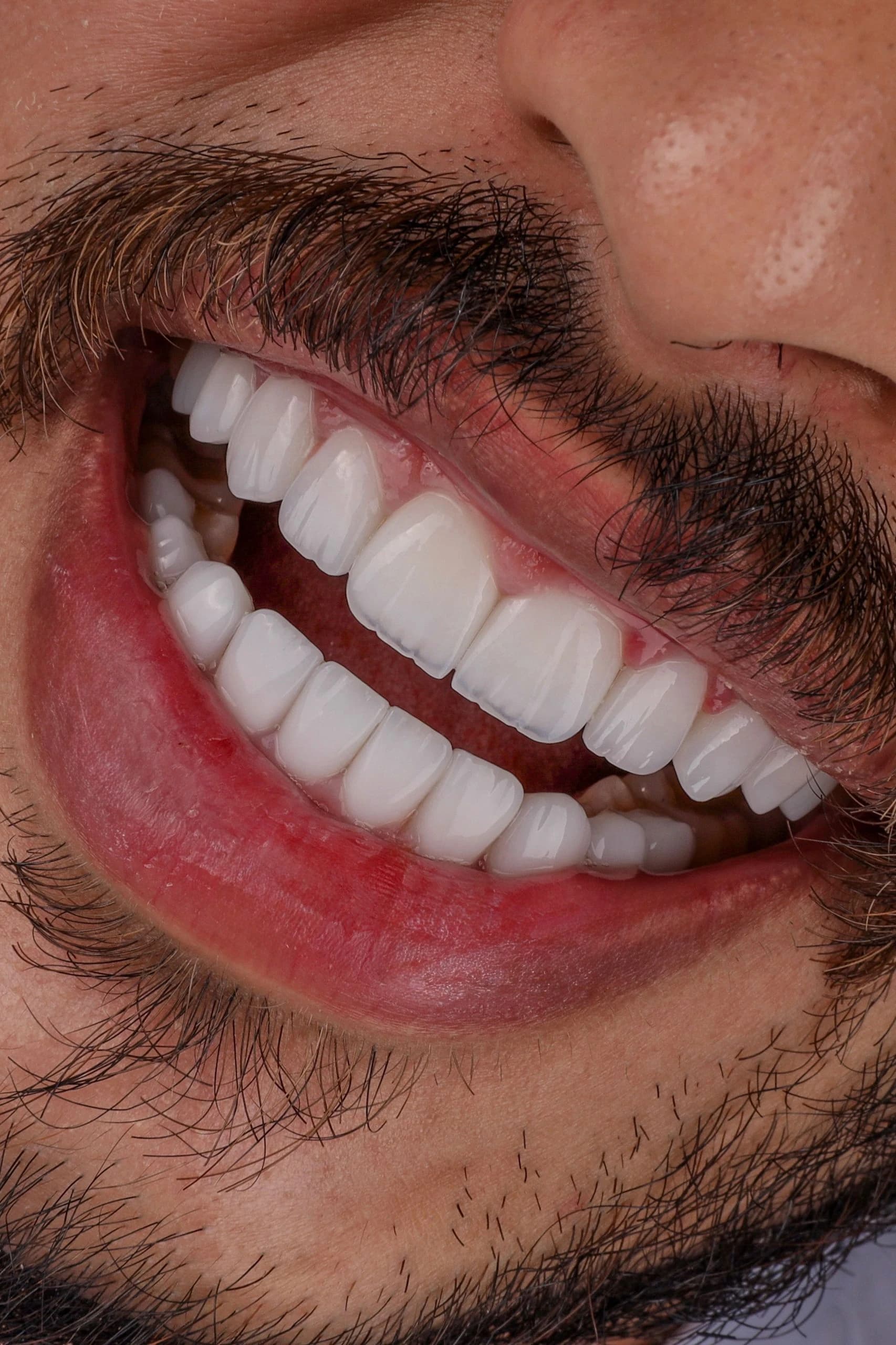
Porcelain veneers and composite bonding can both improve the visible shape and colour of front teeth, but they differ in material, process, repairability and long-term maintenance. The right option depends on the size of the planned change, the condition of the teeth, the bite and your priorities.
What are porcelain veneers?
Porcelain veneers are custom-made ceramic restorations bonded to the front of selected teeth. They can provide controlled changes to shape, proportions and colour. Treatment typically involves planning, tooth preparation when required, digital scans or impressions, laboratory fabrication and a final bonding appointment.
What is composite bonding?
Composite bonding uses tooth-coloured resin that the dentist applies, shapes and polishes directly on the tooth. It can often be completed in fewer visits and may require little or no tooth preparation in suitable cases. It is commonly considered for small chips, minor gaps, uneven edges or limited contour changes.
Appearance and colour stability
Both treatments can look natural when planned and performed appropriately. Ceramic generally maintains surface gloss and colour more predictably, while composite can develop staining, roughness or marginal discolouration over time and may need repolishing or repair. Results vary with material, diet, oral hygiene, smoking and maintenance.
Tooth preparation
Composite bonding is often additive, meaning material is added without extensive reduction. Porcelain veneers may also be conservative, but some cases require preparation to create space and achieve the correct contour. No-prep veneers are not automatically safer or better; suitability depends on tooth position and the planned volume.
Repair and replacement
Composite is usually easier to repair directly if it chips or wears. Ceramic repairs may be possible in selected situations, but a damaged veneer sometimes requires replacement. On the other hand, ceramic veneers have shown better longevity than direct composite veneers in long-term clinical research, although neither option lasts forever.
Which option is better for a smile makeover?
Composite bonding may suit patients seeking small, conservative, adjustable changes. Porcelain veneers may be considered when several teeth need more substantial and coordinated changes in colour, form or proportions. A smile makeover assessment should also consider whitening, orthodontics and gum health rather than automatically treating every visible tooth.
Questions to ask during your consultation
Ask whether treatment requires preparation, how the proposed shape will affect cleaning and bite, what maintenance is expected and how repairs would be handled. A mock-up can help you evaluate tooth length and proportions before committing to a final plan.
Veneers and bonding in City Walk, Dubai
MID Dental Clinic is located at G08, Building 14, City Walk Residential, Al Wasl, Dubai. Dr. Abdelrahman Ezzat, Medical Director and General Dentist, provides restorative and aesthetic care using a minimally invasive approach. Request a consultation to compare the options for your teeth.
- porcelain veneers vs composite bonding
- composite bonding Dubai
- veneers Dubai
- smile makeover Dubai
- فينير أم بوندنج
- تجميل الأسنان دبي
Next step
Does this apply to you?
Book a consultation and we will look at your case specifically, rather than in general.
Request an appointment
Common questions
Related questions.
City Walk, Dubai
Does this apply to you?
Book a consultation and we will look at your case specifically, rather than in general.